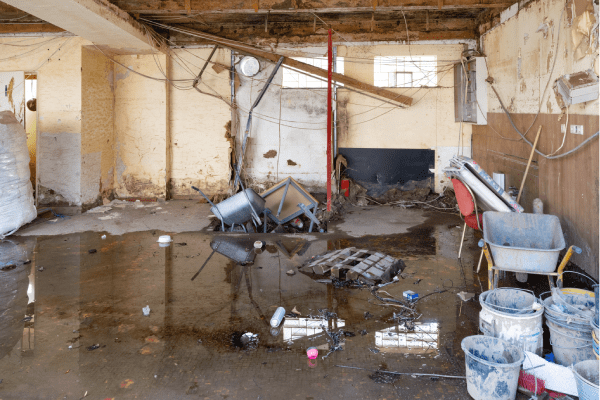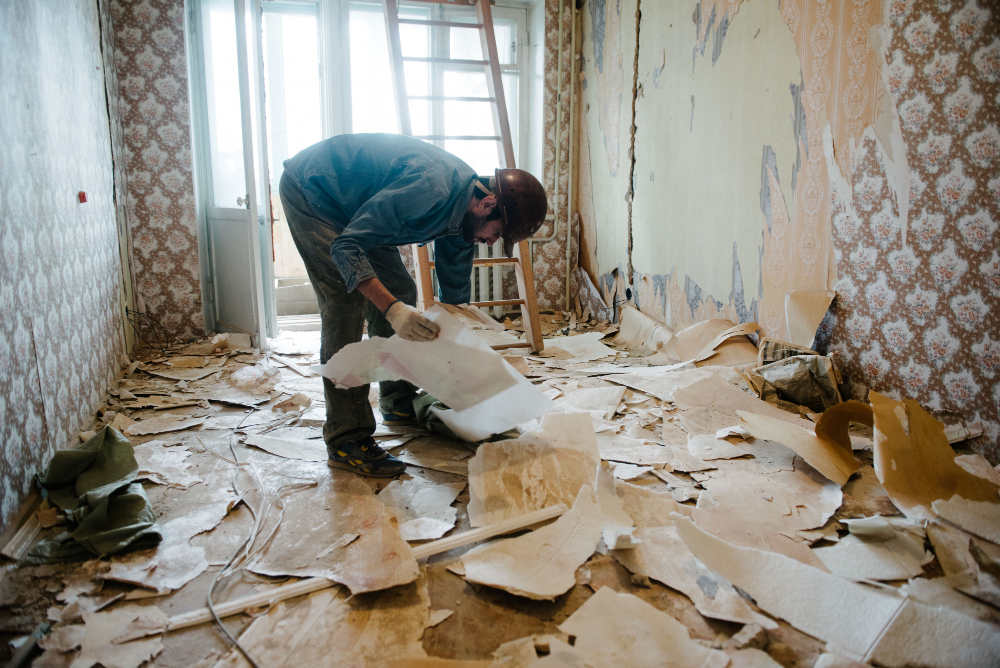
Wet drywall does not always need to be replaced, but it should never be judged by appearance alone. After a basement flood, the decision depends on where the water came from, how long the drywall stayed wet, whether it has lost its strength, and what is happening inside the wall.
Drywall exposed to a small amount of clean water may be a candidate for professional drying. Drywall affected by sewage, contaminated floodwater, significant deterioration, or mold generally requires removal.
Even when the surface feels dry, moisture can remain behind the wall or inside the insulation. A proper assessment helps determine which materials can stay and which need to come out before repairs begin.
How Basement Flooding Affects Drywall
Drywall has a gypsum core covered with paper. When water enters a basement, it can soak into the bottom edge of the wall and spread upward beyond the visible waterline.
Baseboards and paint may hide the early signs. By the time staining or bubbling becomes noticeable, moisture may already have reached the back of the drywall, nearby framing, or insulation.
Depending on the exposure, water damage can cause:
- Softness or crumbling
- Swelling along the bottom of the wall
- Bubbling paint or peeling finishes
- Separating seams and damaged joint compound
- Warping or sagging
- Mold growth on the paper facing or nearby materials
A wall does not have to show all these symptoms to need attention. The water source and moisture inside the assembly matter just as much as the visible damage.
When Wet Drywall May Be Dried in Place
Drywall may be salvageable when the water source is clean, the exposure was limited, and the material remains structurally sound.
For example, a promptly addressed supply-line leak may present different conditions than groundwater flooding or a sewage backup. A restoration professional will evaluate the actual conditions rather than making the decision based only on the type of incident.
Drying in place may be appropriate when:
- The water has not introduced significant contamination
- The drywall remains firm and intact
- There is no evidence of mold requiring removal
- Moisture inside the wall can be accessed and managed
- Affected materials can be dried and monitored effectively
These conditions need to be considered together. Firm drywall may still need removal if contaminated water has soaked into it or if wet insulation prevents the wall assembly from drying.
When Wet Drywall Needs to Be Replaced
Some damage cannot be resolved by drying the wall surface. Removal may be necessary to eliminate contaminated materials, reach trapped moisture, or replace drywall that has lost its strength.
Sewage or Contaminated Water Reached the Wall
Drywall is porous. When sewage or contaminated floodwater soaks into it, surface cleaning does not reliably address contamination throughout the material.
Affected drywall and insulation generally need to be removed as part of a professional cleanup plan. Water that looks clear should not automatically be considered clean, especially after groundwater intrusion or flooding from outside the home.
The Drywall Is Soft, Swollen or Falling Apart
Drywall that crumbles, bends easily, separates, or loses its shape may no longer be suitable to keep. Drying does not necessarily restore damaged gypsum or repair separated paper facing.
Painting over these areas can conceal the damage temporarily while leaving a weak surface underneath.
Mold Has Developed
Mold growth on drywall or inside a wall cavity may require removal of affected porous materials. The extent of removal depends on the location and severity of the problem.
The moisture source also needs to be addressed. Replacing drywall without resolving ongoing water entry or dampness can lead to another problem behind the new wall.
The Wall Cavity Cannot Be Dried Effectively
Sometimes drywall must be opened to reach wet insulation, concealed framing, or other materials that cannot dry adequately with the wall closed.
In those cases, removal provides access for assessment, cleaning, drying, and moisture checks before reconstruction.
Does Drywall Need to Be Removed Above the Waterline?
It may. The highest visible water mark does not necessarily show the full extent of moisture or contamination.
Drywall can absorb water above the level of standing water. Moisture may also spread behind baseboards or through adjacent materials without leaving an obvious stain.
Restoration contractors sometimes make a horizontal opening, commonly called a flood cut, to remove affected drywall and access the wall cavity. The appropriate height depends on the extent of damage, contamination, and access needed.
There is no single cut height that is right for every flooded basement. The removal plan should follow the conditions found during the assessment.
What Happens to Insulation Behind Wet Drywall?
Insulation can change the drying plan significantly. A wall surface may appear to improve while insulation remains wet behind it.
Whether insulation can remain depends on its type, contamination, condition, and ability to dry. Some materials retain moisture or lose their shape and performance after becoming saturated. Contaminated insulation generally requires removal.
Opening the wall may be necessary to determine:
- Whether insulation is present
- How far moisture has spread
- Whether the insulation is contaminated or damaged
- Whether framing and other concealed materials are wet
- What access is needed for effective drying
Installing new drywall over wet insulation can trap moisture inside the wall and leave the underlying problem unresolved.
Can Fans Dry Wet Drywall Without Removing It?
Fans alone do not establish that a wall is dry.
Air movement can help a properly planned drying process, but successful structural drying also depends on humidity control, access to affected materials, and ongoing moisture checks.
A household fan blowing across a painted wall may have little effect on saturated insulation or moisture trapped behind it. Fans may also spread contaminants when used in areas affected by sewage or mold.
A professional drying plan may include water extraction, controlled air movement, dehumidification, and opening selected areas of the wall. The approach should match the water conditions and the materials involved.
For more about the overall process, read how long it takes to dry a house after water damage.
Can You Paint Over Water-Damaged Drywall?
Only after the cause of the damage has been corrected and the drywall has been evaluated, dried, and repaired as needed.
Paint does not remove moisture, restore weakened drywall, or resolve contamination. Applying primer and paint too early can hide warning signs without fixing the underlying issue.
Drywall that remains sound after appropriate drying may need surface repairs and a suitable primer before repainting. Drywall that is contaminated, deteriorated, or otherwise unsuitable to retain should be replaced.
A disappearing stain is not proof that the wall cavity is dry.
What Happens Before New Drywall Is Installed?
Reconstruction should begin after the affected area has been cleaned and the materials being retained have reached appropriate drying goals.
The work may include:
- Correcting or managing the source of water entry
- Removing damaged drywall and insulation
- Cleaning accessible framing and surrounding surfaces
- Drying retained building materials
- Checking moisture conditions before closing the wall
- Installing replacement insulation and drywall
- Finishing, priming, and painting repaired areas
Depending on the flooding, electrical components or other concealed systems may also need assessment by the appropriate qualified professional.
The goal is to rebuild over materials that are ready for enclosure, rather than closing the wall because the visible surfaces look better.
What Should You Do Before the Restoration Team Arrives?
Keep people and pets away from the affected basement, especially when electrical hazards or contaminated water may be present.
From a safe location, photograph the damage and note how high the water reached. Tell the restoration company whether the flooding followed heavy rain, a sump pump failure, a plumbing leak, or a sewage backup.
Avoid cutting into walls yourself before the area has been assessed. Electrical wiring, plumbing, contamination, and other hazards may be concealed behind the drywall.
If your basement flooded because the sump pump stopped working, read what to do after a sump pump failure.
Wet Drywall Assessment and Basement Cleanup in New Jersey
You do not have to decide on your own whether every affected wall needs replacement. A professional assessment can identify the extent of moisture, evaluate contamination, and determine where drying or removal makes sense.
Jigsaw PMR provides flooded basement cleanup and restoration, including water extraction, moisture assessment, structural drying, and repairs.
If basement flooding has affected your drywall, call (201) 425-4855 or contact Jigsaw PMR to arrange an assessment.