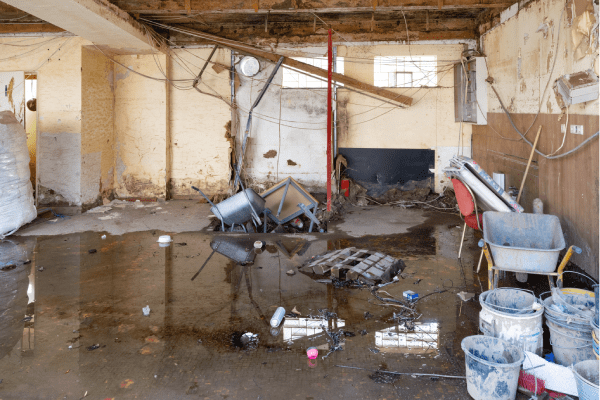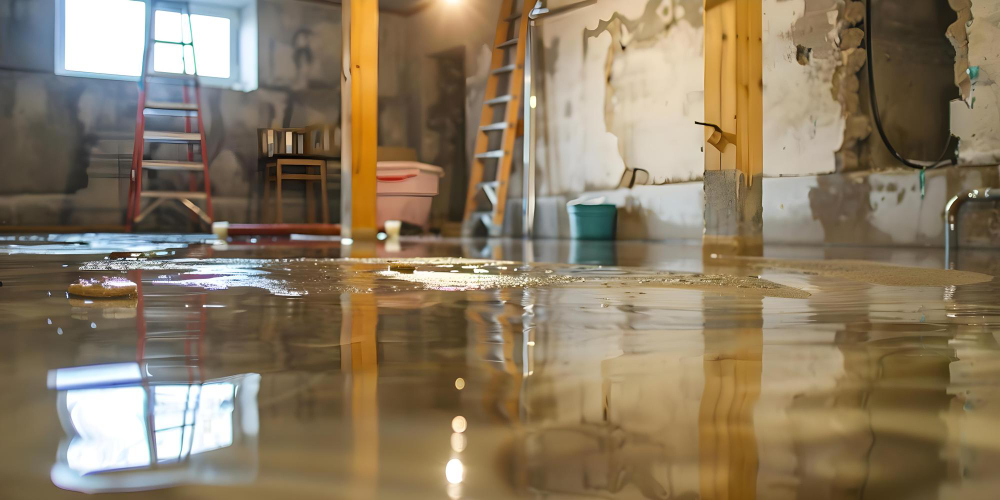
A sump pump failure can leave your basement filling with water when you need the pump most. Heavy rain, a power outage, a stuck float switch, or a worn-out motor can interrupt pumping while groundwater continues entering the sump pit.
If your basement has flooded, stay clear of electrical hazards and arrange help to address both the pump problem and the water damage. Getting the pump running again is an important step, but moisture may already have spread beneath flooring, into drywall, and through stored belongings.
Here is what to do when a sump pump fails, what to expect during cleanup, and how to reduce the chance of another flooded basement.
Stay Out of Water Near Electrical Equipment
Before entering the basement, look for potential hazards from a dry location. Standing water may be in contact with outlets, extension cords, appliances, or other electrical equipment.
Do not walk through water to reach the sump pump or electrical panel. Do not touch a wet pump, unplug equipment while standing in water, or assume the basement is safe because the power appears to be out.
If electricity can be shut off safely from a dry location, do so. If reaching the panel requires entering water, stay out and contact an electrician or your utility provider for assistance. Keep children and pets away from the affected area.
Water that looks clear should not automatically be treated as clean. Basement flooding can pick up contaminants from soil, stored chemicals, debris, and other materials.
Arrange Sump Pump Repairs and Water Damage Cleanup
A plumber or sump pump specialist can determine why the system stopped working and whether it needs repair or replacement. A water damage restoration company can assess the flooding, remove water, and address affected building materials.
These jobs may need to happen at the same time. If groundwater is still entering the basement, the cleanup team needs to account for that continuing water source.
When calling for help, explain:
- Whether water is still rising
- Approximately how much of the basement is affected
- Whether the power is on or off
- Whether the pump is silent, humming, or running continuously
- Whether water has reached finished walls, flooring, or appliances
- Whether there is a sewage odor or visible wastewater
You do not need to enter an unsafe basement to collect this information. Share only what you can observe safely.
Jigsaw PMR provides flooded basement cleanup and restoration to address standing water, hidden moisture, and damage left behind after a sump pump failure.
Document the Flooding From a Safe Location
If you can do so safely, take photos or video of the affected areas before cleanup begins. Capture the water level, damaged flooring, affected walls, and belongings.
Make a list of damaged items and keep receipts for emergency repairs, cleanup, and replacement equipment. Your restoration team can also document the condition of building materials and the work performed.
Contact your insurance company promptly to report the loss and ask what documentation it needs. Coverage depends on your policy, endorsements, and the cause of the flooding. Ask specifically about sump pump failure or water backup coverage rather than assuming the damage is included.
Do not delay necessary emergency work solely to wait for an adjuster. Ask your insurer how to document urgent measures taken to limit further damage.
Why Do Sump Pumps Fail During Heavy Rain?
A sump pump can fail mechanically, lose power, or become unable to keep up with the amount of incoming water. Finding the cause helps determine what needs to change before the next storm.
Power Outages
Many sump pumps depend on household electricity. If a storm interrupts power and there is no working backup system, pumping may stop while groundwater continues entering the basement.
A backup system also needs maintenance. A depleted battery or malfunctioning backup pump may leave the basement unprotected.
Stuck or Damaged Float Switches
The float switch activates the pump as water rises in the pit. If the float becomes obstructed, stuck, or damaged, the pump may not turn on when needed.
Blocked or Frozen Discharge Lines
Water needs a clear route out of the sump pit and away from the property. A blocked or frozen discharge line can interfere with that process, even when the motor is running.
Worn or Undersized Pumps
An aging pump may stop working or operate inconsistently. A working pump can also struggle if incoming water exceeds its capacity.
Water Returning Toward the Foundation
If discharge water drains too close to the home, it may flow back toward the foundation. A professional should evaluate the discharge arrangement and whether it is contributing to repeated flooding.
Pumping Out the Water Is Only Part of Cleanup
Once you address the pump problem, the basement may look better quickly. However, removing visible water does not confirm that the building materials are dry.
Water can remain:
- Beneath carpet and padding
- Behind baseboards and drywall
- Inside wall insulation
- Under flooring and cabinets
- In wood framing and subflooring
- Inside boxes, furniture, and stored belongings
A restoration assessment helps determine where moisture has traveled and which materials can be dried in place.
Deep basement flooding during widespread flooding also requires care before pumping. Saturated soil outside the foundation can create pressure against basement walls and floors. A professional should assess the conditions and determine an appropriate removal approach.
What Happens During Professional Basement Cleanup?
The cleanup plan depends on the amount of water, its source, the materials affected, and how long they have been wet.
Water Extraction
The team removes standing water using equipment appropriate for the depth and conditions. Continuing water entry must also be managed so the basement does not immediately refill.
Moisture Assessment
Technicians check affected materials and surrounding areas for moisture. The damage may extend beyond the visible edge of the water, especially where flooring and wall assemblies conceal it.
Removal of Materials That Cannot Be Restored
Some materials may require removal because of contamination, deterioration, or an inability to dry effectively. Carpet padding, insulation, drywall, and composite furniture are evaluated based on their condition and exposure.
The goal is to make informed decisions about what can be saved and what needs replacement.
Cleaning and Drying
Affected surfaces are cleaned as appropriate for the water conditions. Professional drying equipment is then positioned to remove moisture from materials that can remain.
Drying requires more than placing a household fan in the room. Equipment selection and placement should reflect the affected space, materials, and moisture readings.
Moisture Verification and Repairs
Before rebuilding, the team checks whether affected materials have reached appropriate drying goals. Repairs may include replacing drywall, insulation, flooring, trim, or other damaged components.
Read more about how long it takes to dry a house after water damage.
Do You Still Need Cleanup If the Pump Starts Working Again?
You may. A restarted pump can lower the water level in the pit without removing moisture already absorbed by the basement.
A basement with a small amount of water on an unfinished concrete floor may need a different response than a finished basement with soaked carpet and wet walls. Key questions include where the water traveled, what it contacted, and whether affected materials can be thoroughly cleaned and dried.
Consider professional assessment when water has reached finished materials, entered concealed spaces, affected electrical equipment, or left persistent dampness or odors.
How Can You Reduce the Risk of Another Sump Pump Flood?
After cleanup, have a qualified professional review the pump and its discharge system. Replacing a failed motor alone may not address an obstructed line, inadequate capacity, or water draining back toward the foundation.
Depending on the property, preventive measures may include:
- Testing the pump according to the manufacturer’s instructions
- Keeping the sump pit and float mechanism clear of obstructions
- Maintaining the discharge line
- Installing and maintaining an appropriate backup system
- Adding a high-water alarm
- Checking gutters, downspouts, and drainage around the foundation
Store important documents and vulnerable belongings above basement floor level. In finished basements, consider accessible storage arrangements that make it easier to inspect for leaks and move belongings if water enters.
Sump Pump Failure Cleanup in New Jersey
A repaired sump pump does not automatically mean your basement is restored. Water left beneath flooring or inside walls can continue damaging materials after the standing water disappears.
Jigsaw PMR provides emergency water extraction, moisture assessment, structural drying, cleanup, and restoration for flooded basements throughout New Jersey.
If a sump pump failure has flooded your basement, call (201) 425-4855 or contact Jigsaw PMR to assess the damage and plan the cleanup.