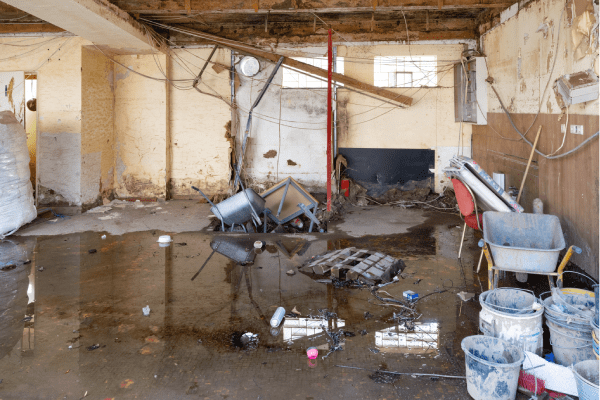
Carpet can sometimes be saved after a basement flood, but the answer depends on the water source, how long the materials stayed wet, and whether the carpet can be thoroughly cleaned and dried. The condition of the padding and floor underneath matters just as much as the carpet’s appearance.
A promptly addressed clean-water leak may leave carpet suitable for restoration. Sewage or contaminated floodwater generally means you need to remove the affected carpet and padding.
Before deciding to keep the carpet, the entire flooring assembly needs attention. A surface that feels dry can still conceal wet padding, moisture beneath the carpet, or damage to the subfloor.
The Water Source Is the First Consideration
The source of the flooding helps determine whether carpet restoration is appropriate.
Water from a broken supply line starts under different conditions than water entering through the foundation, backing up through a drain, or flowing into the basement from outside. Its condition can also change as it contacts dirty surfaces, stored materials, or other contaminants.
Water From a Plumbing Supply Leak
Carpet affected by a clean-water supply leak may be salvageable when the problem is addressed promptly and the materials remain in good condition.
However, a supply-line leak does not automatically make every affected item safe to keep. The restoration team still needs to assess what the water contacted, how long it remained, and whether cleaning and drying are practical.
Groundwater and Outdoor Flooding
Water entering through a basement wall, window, or doorway may carry soil, debris, and other contaminants. Carpet exposed to that water needs a different assessment from carpet affected by a clean plumbing leak.
Water does not have to look muddy or smell unpleasant to present contamination concerns.
Sewage Backups
Carpet and padding affected by sewage generally require removal. These porous materials are difficult to decontaminate throughout, and cleaning the visible surface does not reliably address contamination underneath.
Keep people and pets away from sewage-affected areas and arrange professional cleanup.
Carpet Padding May Need Replacement Even When the Carpet Can Stay
Carpet and padding should be evaluated separately.
Padding sits beneath the carpet and can hold substantial moisture. The carpet’s surface may begin to feel dry while the cushioning underneath remains saturated.
Depending on the materials and water conditions, it may be possible to retain the carpet while removing and replacing the padding. In other situations, both layers need removal.
The assessment should consider:
- Whether the water introduced contamination
- The type and condition of the padding
- How thoroughly the materials can be cleaned and dried
- Whether odors or deterioration remain
- Whether removing the carpet damages its backing or construction
Keeping wet padding simply because the carpet looks acceptable can leave moisture trapped against the floor.
Signs Flooded Carpet May Need to Be Replaced
Some problems become obvious quickly. Others are only apparent when the carpet is lifted and the layers underneath are inspected.
Replacement may be necessary when:
- Sewage or contaminated floodwater has soaked into the materials
- Mold is present
- The carpet backing has separated or deteriorated
- The carpet has lost its strength or cannot be reinstalled properly
- Contamination or odors cannot be adequately resolved
- The flooring assembly cannot be effectively dried and restored
An older carpet with existing wear may also respond differently to flooding than a newer carpet in good condition. Restoration should leave the material suitable for continued use, rather than simply improving its appearance.
Why the Floor Underneath Needs Inspection
Removing water from the carpet does not resolve moisture beneath it. The floor underneath needs to be checked before carpet is reinstalled or replaced.
Concrete Basement Floors
Concrete does not rot like wood, but moisture conditions still matter. Water can remain beneath flooring, around tack strips, and at the edges of walls.
The slab may need cleaning and drying before new flooring materials or adhesives are installed. Follow the flooring manufacturer’s requirements for moisture conditions and installation.
Wood Subfloors
Finished basements sometimes have carpet installed over a raised wood subfloor. Flooding may affect plywood, oriented strand board, sleepers, or other components beneath the carpet.
These materials may swell, separate, or deteriorate. Some can be dried and retained, while damaged sections may need replacement.
Flooring Beneath the Carpet
Carpet may cover older tile, another floor covering, or a layered floor system. The restoration team needs to understand what is underneath before deciding how to access and dry the affected area.
The visible carpet is only one part of the assessment.
Can a Carpet Cleaner Fix Flood Damage?
Routine carpet cleaning and flood restoration serve different purposes.
A carpet-cleaning machine may remove some water and improve the surface appearance. It does not establish that the padding, subfloor, wall edges, or nearby building materials are dry.
Flood restoration may require:
- Extraction of standing and absorbed water
- Removal of padding or other affected materials
- Access beneath the carpet
- Cleaning appropriate to the water conditions
- Structural drying and dehumidification
- Moisture checks before reinstallation
When contaminated water is involved, ordinary carpet shampooing is not a substitute for removing materials that cannot be safely restored.
Will Fans and a Dehumidifier Be Enough?
Fans and dehumidifiers may be part of a professional drying plan, but placing household equipment in the basement does not guarantee that the carpet assembly will dry.
Water needs to be extracted first. The team also needs to determine whether moisture is trapped beneath the carpet or inside materials that require removal.
Air movement should not be started indiscriminately in areas affected by sewage or mold because it can spread contaminants.
The appropriate equipment, placement, and drying approach depend on the conditions inside the basement. Progress should be checked through moisture measurements rather than surface feel alone.
For more about drying the surrounding structure, read how long it takes to dry a house after water damage.
Does a Musty Smell Mean the Carpet Is Ruined?
A musty smell is a reason to investigate, but it does not identify the exact source or determine by itself whether the carpet can be saved.
The odor may come from damp padding, wall materials, stored belongings, or another concealed area. Treating the carpet with fragrance can mask the smell without addressing the source.
A basement that still smells damp after visible water has been removed needs further assessment. The restoration plan should address the affected materials and moisture conditions before deodorization or finishing work.
Read more about why a house can still smell after cleaning.
How Quickly Should Wet Basement Carpet Be Assessed?
Arrange an assessment as soon as you discover the flooding. Prompt water removal and drying can improve the chance of saving suitable materials and reduce additional damage.
There is no universal deadline that guarantees carpet can be saved. The water source, temperature, exposure, material condition, and contamination all affect the decision.
Do not wait for visible mold or a strong odor before seeking help. By then, moisture may have affected more than the carpet.
If water is near outlets, appliances, or electrical equipment, stay out of the basement until the hazards have been addressed. Do not enter standing water to retrieve belongings or operate cleaning equipment.
What Should You Do Before Carpet Is Removed?
If it is safe, photograph the affected carpet, nearby walls, and damaged belongings. Record where the water entered and approximately how far it spread.
Contact your insurer to ask about documentation and coverage. Keep receipts and records for emergency work, but do not delay necessary measures to limit further damage solely while waiting for an adjuster.
Avoid pulling up large sections of wet carpet yourself before the area has been assessed. Saturated carpet is heavy, and contamination, sharp tack strips, or concealed hazards may be present.
Tell the restoration team if you know about previous basement flooding or older flooring beneath the carpet. That information can help guide the inspection.
When Can Replacement Carpet Be Installed?
New carpet should be installed after the water source has been addressed and the floor and surrounding materials are ready.
Before installation, the project may require:
- Removal of damaged carpet and padding
- Cleaning of affected surfaces
- Drying of the slab or subfloor
- Repair or replacement of damaged floor components
- Assessment of nearby drywall and baseboards
- Verification that installation conditions meet the flooring manufacturer’s requirements
Installing new carpet over a damp floor can lead to recurring odors, material damage, and another removal project.
If flooding also reached the walls, read whether wet drywall needs to be replaced after a basement flood.
Flooded Basement Carpet Cleanup in New Jersey
Saving flooded carpet requires more than removing visible water. The padding, floor underneath, and surrounding building materials all need to be considered before deciding what can stay.
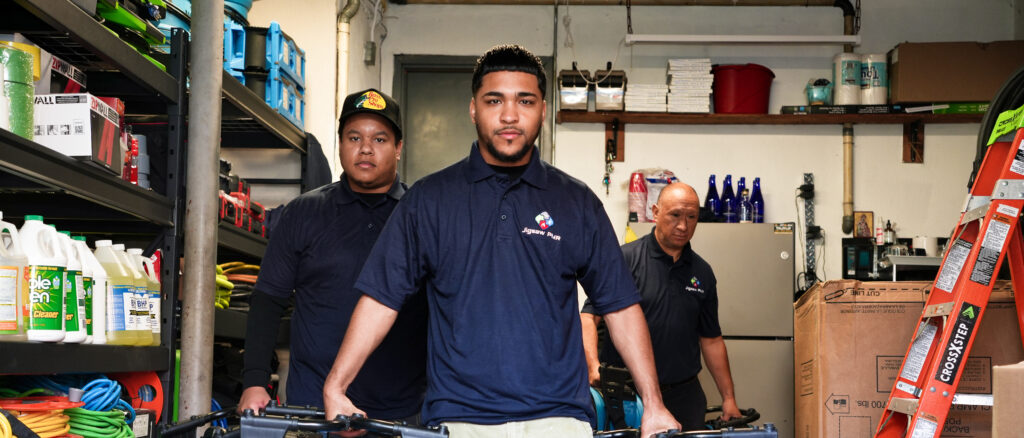
Jigsaw PMR provides flooded basement cleanup and restoration, including water extraction, moisture assessment, structural drying, and repairs. Our team can assess affected materials and explain which areas need drying, removal, or replacement.
If your basement carpet has been soaked by a flood, call (201) 425-4855 or contact Jigsaw PMR to arrange an assessment.