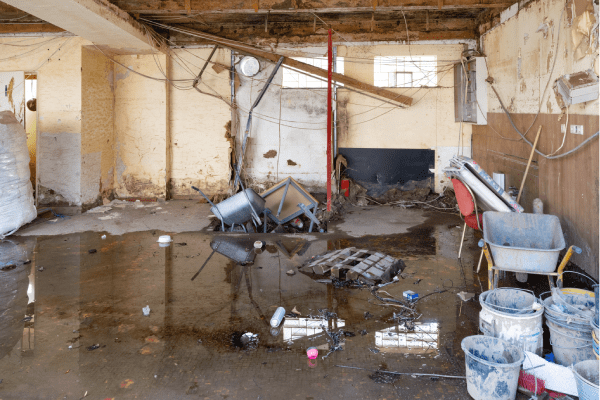
Most water-damaged homes require several days of professional drying, but there is no single timeline that applies to every property. A small leak addressed immediately may dry relatively quickly. A flooded basement or burst pipe affecting several rooms can require considerably more time.
The amount of water is only one factor. The materials involved, length of exposure, indoor conditions and location of hidden moisture all affect the drying process.
If your property has been affected by a leak, flood or burst pipe, call Jigsaw PMR at (201) 425-4855. Our team provides 24/7 water-damage restoration throughout New Jersey, Pennsylvania and Rockland County, New York.
What Is the Average Water-Damage Drying Time?
Professional structural drying often takes approximately three to five days. Some properties dry sooner, while extensive water damage can require a week or longer.
This estimate applies to drying, not necessarily the complete restoration. Removing damaged materials, treating contamination and completing reconstruction can extend the overall project.
A restoration timeline may include:
- Emergency inspection
- Water extraction
- Removal of damaged materials
- Structural drying
- Cleaning and sanitizing
- Final moisture evaluation
- Repairs and reconstruction
The restoration team should monitor moisture levels throughout the drying period rather than relying solely on a predetermined number of days.
What Affects the Drying Time?
Several conditions determine how quickly a property can be dried.
Amount of Water
A small appliance leak usually requires less drying time than a burst pipe that released water for several hours.
Standing water should be extracted before structural drying begins. Removing water with professional extraction equipment is substantially faster and more effective than expecting it to evaporate.
Length of Exposure
Water that is addressed immediately may remain close to the surface. Water left for several hours or days has more time to move into drywall, insulation, flooring, cabinets and wall cavities.
Delayed cleanup can increase the amount of material that needs to be removed. It can also create conditions that allow mold and bacteria to develop.
Materials Affected
Different building materials absorb and release moisture at different rates.
Water can affect:
- Drywall
- Insulation
- Wood framing
- Hardwood flooring
- Laminate flooring
- Carpet and padding
- Tile and grout
- Cabinets
- Subflooring
- Ceiling materials
- Concrete
Some materials may be dried and restored. Others may need to be removed because of contamination, swelling, separation or deterioration.
Temperature and Humidity
High indoor humidity slows evaporation. Cool temperatures can also reduce the rate at which moisture leaves building materials.
Professional drying equipment is arranged to control airflow, temperature and humidity within the affected space. Conditions are monitored and adjusted as the property dries.
Location of the Water
Water on an exposed tile floor may be easier to remove than water trapped:
- Behind drywall
- Beneath hardwood
- Under cabinets
- Inside insulation
- Above a ceiling
- In a crawl space
- Between floors
- Inside a wall cavity
Hidden moisture may require additional access, material removal or specialized drying equipment.
Source of the Water
Clean water from a supply line is handled differently from water containing sewage, chemicals or outdoor flood contaminants.
Contaminated materials may need to be removed instead of dried and retained. Additional cleaning, disinfection and safety procedures can also extend the restoration timeline.
Why Is Water Extraction Completed First?
Air movers and dehumidifiers are designed to remove moisture from damp materials and indoor air. They are not a replacement for extracting standing water.
The first step is to remove as much liquid water as possible using pumps, extraction units and other professional equipment. Effective extraction can significantly reduce the time required for the remaining materials to dry.
Water may also need to be removed from:
- Carpet
- Carpet padding
- Flooring seams
- Cabinets
- Wall cavities
- Basement surfaces
- Upholstered belongings
After extraction, the restoration team can evaluate which materials remain suitable for drying.
What Is Structural Drying?
Structural drying removes moisture from the building materials that make up the property. This includes components that may feel solid or appear dry from the outside.
The process may involve:
- Air movers
- Commercial dehumidifiers
- Moisture meters
- Thermal imaging equipment
- Controlled heat
- Floor-drying systems
- Containment around affected areas
- Regular moisture monitoring
Air movers encourage moisture inside materials to evaporate. Dehumidifiers then remove that moisture from the surrounding air.
The equipment layout is based on the size and shape of the affected area. Closing off or moving equipment without speaking to the restoration team can interfere with the drying plan.
How Do You Know When a House Is Dry?
A surface that looks or feels dry may still contain excess moisture. Drying should be evaluated with moisture-measuring equipment.
Restoration professionals compare readings from affected materials with readings from dry materials elsewhere in the property. These measurements help establish reasonable drying goals for the building.
Monitoring may include:
- Drywall moisture readings
- Wood moisture readings
- Indoor relative humidity
- Temperature
- Dehumidifier performance
- Areas of suspected hidden moisture
The property should not be declared dry solely because no standing water remains or because the equipment has been operating for a certain number of days.
Can Drywall Be Saved After Water Damage?
Some drywall can be dried when the water is clean, exposure is limited and the material remains structurally sound.
Removal may be necessary when the drywall:
- Is visibly swollen
- Has started crumbling
- Has separated from its facing
- Contains mold growth
- Was exposed to sewage or contaminated water
- Prevents access to wet insulation
- Has remained wet for an extended period
Baseboards may also be removed to access wet areas behind the wall. Small openings can sometimes help circulate air inside a wall cavity, but the appropriate method depends on the construction and extent of the damage.
How Long Does Wet Carpet Take to Dry?
Carpet may dry within a few days when the water is clean and professional extraction begins quickly. The padding underneath can retain substantial moisture and may require removal.
Carpet affected by sewage, outdoor flooding or other contaminated water is treated differently. In those situations, replacement may be more appropriate than drying and reuse.
The subfloor beneath the carpet must also be evaluated. Dry carpet does not prove that the underlying padding and flooring are dry.
How Long Does Hardwood Flooring Take to Dry?
Hardwood can take longer to dry than carpet or exposed drywall. Moisture may enter through the seams and become trapped between the flooring and subfloor.
Signs of water damage may include:
- Cupping
- Crowning
- Buckling
- Warping
- Discoloration
- Separation between boards
Some hardwood can be restored through controlled drying. Drying the surface too aggressively may increase distortion, so the process should be monitored carefully.
Even after moisture readings return to acceptable levels, the flooring may need additional time before sanding or refinishing.
How Long Does a Flooded Basement Take to Dry?
A flooded basement may require several days to more than a week of drying, depending on the water depth and affected materials.
The process may take longer when water has entered:
- Finished walls
- Insulation
- Carpet and padding
- Wood framing
- Storage boxes
- Furniture
- Cabinets
- Utility spaces
Basement humidity and limited airflow can also slow drying. If outdoor floodwater or sewage entered the basement, contaminated materials may need to be removed and the area disinfected.
Jigsaw PMR provides professional flooded-basement cleanup for water extraction, drying and restoration.
Can Water Damage Cause Mold Before the Property Dries?
Yes. Mold can begin growing within approximately 24 to 48 hours when suitable moisture and temperature conditions are present.
That does not mean every wet surface will develop visible mold within two days. It means the risk increases when porous materials remain damp.
Prompt extraction and structural drying can reduce that risk. If mold growth has already developed, the property may require professional mold remediation in addition to drying.
Simply running fans after several days of water exposure may not address contamination or moisture hidden inside the structure.
Should You Use Household Fans to Dry Water Damage?
Household fans may move air across a small damp surface, but they are not designed to handle extensive structural drying. They also do not remove moisture from the indoor air.
Using fans may be inappropriate when:
- Mold growth is visible
- Sewage is involved
- Outdoor floodwater entered the property
- Contamination could become airborne
- Water reached electrical components
- The ceiling appears unstable
- Moisture is trapped behind walls or beneath flooring
Professional restoration equipment is positioned according to the affected materials and environmental conditions. Dehumidification is also needed so evaporated moisture does not remain inside the building.
Can You Stay in the House During Drying?
Some occupants remain in their homes while drying equipment operates. Others may need temporary accommodations because of contamination, noise, heat, structural damage or loss of essential rooms.
Remaining in the property may not be appropriate when:
- Sewage or contaminated water is present
- Fire or electrical damage exists
- Large areas require demolition
- Mold remediation is underway
- The property cannot be secured
- Bathrooms or kitchens are unusable
- Local officials have restricted occupancy
The restoration team, insurance carrier and appropriate safety professionals can help determine what is practical for the specific property.
Why Is the Drying Equipment Running Constantly?
Air movers and dehumidifiers are usually intended to operate continuously during structural drying. Turning them off overnight can slow the process and allow humidity to rise.
The equipment may produce noise, heat and noticeable airflow. This is expected during professional drying.
Do not unplug, reposition or remove equipment without contacting the restoration company. A moved air mover may leave part of a wall or floor without adequate airflow.
If equipment creates an electrical concern or other immediate safety issue, contact the restoration team right away.
What Happens After the Property Is Dry?
Once the affected materials reach the established drying goals, the equipment can be removed and the repair phase can begin.
Repairs may include:
- Replacing drywall
- Installing insulation
- Repairing ceilings
- Replacing flooring
- Restoring cabinets
- Painting
- Replacing trim
- Repairing damaged framing
- Reconstructing affected rooms
A complete restoration returns the damaged parts of the property to usable condition. Jigsaw PMR provides reconstruction services when repairs are needed after water extraction and drying.
Does Insurance Pay for Structural Drying?
Homeowners and commercial property insurance may cover water extraction and structural drying when the water damage resulted from a covered sudden event.
Common examples may include:
- Burst pipes
- Appliance supply-line failures
- Accidental plumbing overflows
- Rain entering through covered storm damage
- Water used to extinguish a fire
Policies frequently treat flooding, sewer backups, groundwater and long-term leaks differently. Separate coverage or endorsements may be required.
The insurance carrier makes the final coverage decision. Jigsaw PMR can document moisture readings, damaged materials, equipment use and restoration work while communicating with the adjuster.
Call Jigsaw PMR for Water-Damage Drying
Water damage should not be considered resolved just because the visible water has disappeared. Moisture can remain inside walls, flooring, insulation and other building materials.
Jigsaw PMR provides emergency water extraction, moisture detection, structural drying, cleaning and reconstruction. We monitor affected materials throughout the drying process and develop a restoration plan based on the conditions inside the property.
For 24/7 water-damage assistance, call (201) 425-4855 or contact Jigsaw PMR.
About Jigsaw PMR
Jigsaw Property Maintenance & Restoration is a family-owned property restoration company providing 24/7 emergency service throughout New Jersey, Pennsylvania and Rockland County, New York. Our IICRC-certified team handles water and flood damage, frozen and burst pipe cleanup, mold remediation, fire and smoke damage, storm damage and additional restoration services for residential and commercial properties.