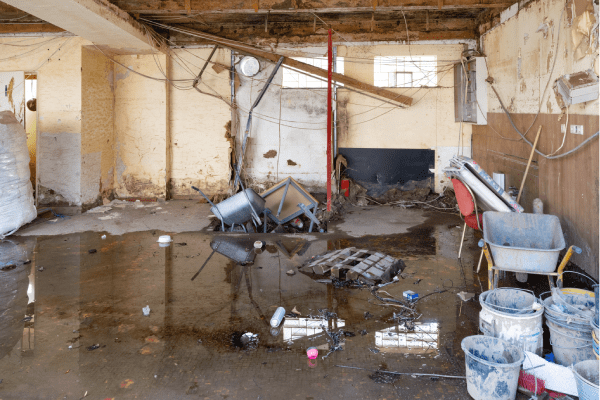
Some belongings and building materials can be restored after a sewage backup, but others need to be removed. The main considerations are whether sewage reached the material, how porous it is, and whether it can be thoroughly cleaned and disinfected.
Carpet, padding, upholstered furniture, and drywall that have absorbed sewage generally require disposal. Certain hard, nonporous items may be salvageable after appropriate cleaning and disinfection.
A professional assessment helps separate materials that can be restored from those that would leave contamination behind. Appearance and smell alone can’t determine whether an item is safe to keep.
Why Sewage Damage Requires a Different Approach
A sewage backup introduces wastewater that may contain harmful microorganisms and other contaminants. It requires a different cleanup approach from a small leak involving a clean water supply.
Water can spread beneath flooring, soak into furniture, and enter wall cavities. Removing visible wastewater does not address everything it contacted.
Keep children and pets away from the affected area. Avoid walking through wastewater or handling contaminated belongings. If the backup has reached outlets, appliances, or electrical equipment, stay out until the hazards have been assessed.
Jigsaw PMR’s sewage cleanup services address contaminated water, affected materials, cleaning, and restoration.
Can Carpet Be Saved After a Sewage Backup?
Carpet that has absorbed sewage generally needs to be removed. Its fibers, backing, and seams can hold contamination that routine carpet cleaning cannot reliably resolve.
Shampooing may improve the appearance without removing contamination throughout the material. A carpet that no longer smells unpleasant is not necessarily suitable to retain.
The assessment should also include the flooring beneath it and nearby materials. Wastewater may have reached baseboards, wall edges, tack strips, or concealed floor assemblies.
What About Carpet Padding?
Sewage-contaminated carpet padding generally needs disposal. Padding is absorbent and difficult to clean and disinfect throughout.
Installing fresh carpet over contaminated padding leaves the underlying problem in place. Evaluate both layers before replacement work begins.
Can Area Rugs Be Restored?
Rugs require an individual assessment based on their construction, contamination, condition, and value.
Many sewage-contaminated rugs will need disposal. If an item has significant monetary or sentimental value, ask whether a qualified specialty textile restorer can evaluate it before deciding what to do.
Keep contaminated rugs separate from unaffected belongings while awaiting guidance.
Does Drywall Need to Be Removed After Sewage Exposure?
Drywall that has absorbed sewage generally requires removal. Its paper facing and gypsum core are porous, making surface disinfection insufficient for contamination within the material.
The visible waterline may not show the full extent of exposure. Moisture can move upward through drywall or spread behind baseboards.
A restoration team will determine how much material needs removal based on the contamination, moisture conditions, and access required to clean the wall cavity.
Painting or applying a stain-blocking primer does not decontaminate affected drywall.
What Happens to Insulation Behind the Wall?
Insulation exposed to sewage generally needs to be removed as well. Keeping contaminated insulation behind new drywall would enclose the waste rather than resolve it.
Opening affected walls also allows the team to inspect framing and other concealed materials before cleaning and drying.
Can Wood Furniture Be Saved?
Some wood furniture may be salvageable, but construction and exposure make a substantial difference.
Solid Wood Furniture
An intact finished surface may be easier to clean than exposed, unfinished wood. However, sewage can enter joints, cracks, drawer interiors, and unfinished undersides.
A restoration professional may consider:
- Whether contamination remained on an accessible finished surface
- Whether liquid entered joints or internal spaces
- Whether the finish is intact
- Whether the wood has swollen, split, or warped
- Whether the item can be cleaned without leaving inaccessible contamination
A solid wood table with limited contact may present different options from a cabinet that stood in wastewater for an extended period.
Particleboard and Fiberboard Furniture
Particleboard, medium-density fiberboard, and similar materials often absorb water and swell. Laminated surfaces may look relatively intact while exposed edges or undersides deteriorate.
When sewage has penetrated these materials, disposal is commonly necessary. Drying does not reverse swelling or reliably remove contamination from the interior.
Can Couches, Mattresses and Upholstered Chairs Be Cleaned?
Upholstered furniture and mattresses that have absorbed sewage generally require disposal.
Wastewater can reach fabric, foam, batting, springs, and internal framing. Cleaning the outer fabric does not reliably address contamination inside cushions or the furniture body.
This includes items such as:
- Fabric couches and recliners
- Upholstered dining chairs
- Padded benches and ottomans
- Mattresses and box springs
- Cushions and pet beds
Leather or vinyl coverings do not automatically protect the entire item. Sewage may enter through seams, damaged coverings, or the underside.
Have the item assessed before deciding that an intact outer surface makes it salvageable.
What About Plastic, Metal and Glass Items?
Hard, nonporous items are often better candidates for restoration when all contaminated surfaces can be accessed, cleaned, and disinfected.
Examples may include glass containers, certain metal shelving, and solid plastic storage bins. The condition and construction still matter.
Hollow handles, enclosed compartments, damaged finishes, and inaccessible seams can complicate cleaning. An item that traps wastewater inside may require disposal even when its outer surface is nonporous.
Items used for food preparation, children’s activities, or personal care may require additional precautions or replacement. Ask the cleanup team about the specific item rather than applying one rule to everything.
Are Belongings Inside Storage Bins Protected?
A closed storage bin does not necessarily have a watertight seal. Wastewater can enter through lid gaps, cracks, handles, or other openings.
The bin’s exterior and its contents should be assessed separately. A hard plastic bin may be cleanable while porous contents inside require disposal.
Do not carry contaminated bins into clean living areas before their exteriors have been addressed. Doing so can transfer contamination onto floors and other surfaces.
Cardboard boxes that have absorbed sewage generally need disposal. The contents require their own evaluation.
Can Appliances and Electronics Be Kept?
Do not turn on appliances or electronics that have been exposed to sewage or floodwater to see whether they still work.
Contamination may reach wiring, insulation, motors, controls, and enclosed components. An appliance can present an electrical hazard even if its exterior has been cleaned.
Have affected equipment evaluated by an appropriately qualified technician. Some items will require replacement because safe cleaning, repair, or inspection is impractical.
Restoration of the surrounding room does not establish that an appliance is safe to reconnect.
Why Odor Removal Is Not Enough
An item can remain contaminated after its odor has been reduced. Fragrances and deodorizing treatments do not replace the removal of sewage, appropriate cleaning, or disposal of materials that cannot be restored.
Likewise, a persistent smell does not always identify which item is responsible. Contamination may remain beneath flooring, behind walls, or inside furniture.
The cleanup process should address the source and affected materials before relying on odor treatment.
What Does the Restoration Team Assess?
Decisions should be based on the actual condition of each area or item.
The assessment typically considers:
- The material’s porosity and construction
- How directly it contacted wastewater
- How far contamination penetrated
- Whether all affected surfaces are accessible
- Physical damage from water exposure
- Whether appropriate cleaning and disinfection are feasible
- The practicality and cost of restoration compared with replacement
Sentimental or high-value belongings may warrant evaluation by a specialty restorer. Tell the team about those items early so they can explain the available options.
Should You Throw Everything Away Before the Adjuster Arrives?
Document affected belongings before disposal whenever it is safe to do so. Photographs, an itemized list, approximate purchase dates, and available receipts can help support your claim.
Contact your insurance company promptly and ask what documentation it needs for contaminated items that must be removed. Coverage depends on the policy, endorsements, and circumstances of the backup.
Do not keep hazardous materials inside the home solely to wait for an adjuster. Coordinate necessary removal with the restoration team and insurer, and retain records of the work.
Avoid moving contaminated furniture into unaffected rooms while deciding what to keep.
Prevent Another Backup Before Rebuilding
The cause of the sewage backup needs attention alongside the cleanup. Depending on the problem, a qualified plumber or sewer professional may need to address a blockage, damaged line, or another plumbing issue.
Cleaning and reconstruction cannot prevent a repeat incident if the source remains unresolved.
Before installing replacement flooring, drywall, or furnishings, clean, disinfect, and dry affected areas. Assess retained materials before enclosing or covering them.
Sewage Backup Cleanup and Restoration in New Jersey
After a sewage backup, deciding what to save requires more than checking whether something still looks usable. Porous materials, hidden contamination, and water damage all affect whether restoration is practical.
Jigsaw PMR provides professional sewage cleanup for affected homes and businesses. Our team can assess the damage, remove contaminated materials, clean accessible surfaces, and plan the drying and repairs needed.
Call (201) 425-4855 or contact Jigsaw PMR to arrange an assessment after a sewage backup.