
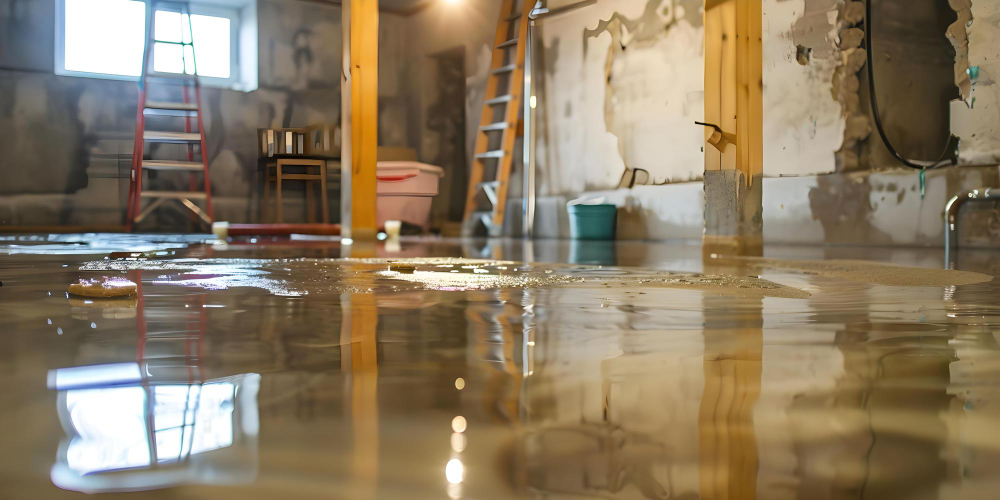
Finding water covering your basement floor can be overwhelming, especially when you do not know where it is coming from or how much damage has already occurred. A burst pipe, failed sump pump, backed-up drain, appliance leak, or heavy rain can put hundreds or even thousands of gallons of water into a basement.
The most important thing is not to rush downstairs and start cleaning immediately. Flooded basements can present electrical hazards, contaminated water, slippery surfaces, and hidden damage.
Once everyone is safe, the goal is to stop additional water if it can be done safely, document the damage, and begin water removal and drying as quickly as possible.
Jigsaw PMR provides 24/7 emergency water damage cleanup and restoration throughout New Jersey, Pennsylvania, and Rockland County, New York. If your basement is flooding and you need immediate help, call (201) 425-4855.
1. Do Not Enter a Flooded Basement If There Could Be an Electrical Hazard
Standing water and electricity are a dangerous combination.
If water has reached electrical outlets, appliances, extension cords, your electrical panel, or other electrical equipment, do not enter the flooded area to try to shut the power off.
If the electricity can be shut off from a dry, safe location without entering or reaching through the flooded area, do so only if you can safely operate the appropriate shutoff. Otherwise, stay out and contact the appropriate emergency or electrical professional.
Never assume the water is safe simply because the lights have gone out.
2. Identify the Source of the Water Without Putting Yourself at Risk
If you can determine where the water is coming from without entering a hazardous area, that information can help you decide what to do next.
Common causes of basement flooding include:
- Burst or leaking pipes
- Failed sump pumps
- Sewer or drain backups
- Water heater failures
- Washing machine or appliance leaks
- Foundation water intrusion
- Heavy rain and stormwater
- Plumbing fixture failures
If the problem is an active plumbing leak and the home’s main water shutoff is safely accessible in a dry area, shutting off the water can help limit additional damage.
If you are unsure where the water is coming from or accessing the shutoff would require entering standing water, wait for a professional.
3. Take Photos and Videos of the Damage
If you can see the flooded area from a safe location, take photos and videos before cleanup begins.
Try to document the water level, affected walls and floors, damaged furniture and belongings, and the apparent source of the water when possible.
This documentation may be useful when reporting the loss to your insurance company.
You do not need to walk through standing water simply to get better pictures.
4. Call Your Insurance Company
Report the water damage to your insurance company as soon as reasonably possible.
Coverage can depend on what caused the flooding and the specifics of your policy, so avoid assuming that a particular type of damage is or is not covered until you have spoken with your insurer.
Keep photos, videos, receipts, and records of work performed as the cleanup progresses.
5. Have the Standing Water Removed
Once the area can be safely accessed, one of the first steps in water damage restoration is removing standing water.
Professional water extraction equipment can remove large quantities of water much more quickly than household equipment.
The faster standing water is removed, the sooner the property can move into the drying process and the less time water has to continue soaking into drywall, flooring, insulation, framing, furniture, and other materials.
6. Removing the Water Is Only the Beginning
A basement can look considerably better once the visible water is gone, but that does not necessarily mean it is dry.
Water can travel underneath flooring, behind baseboards, into drywall, through insulation, and into other areas that are difficult to see.
Professional water mitigation may include moisture detection, water extraction, removal of unsalvageable materials, air movement, dehumidification, and continued moisture monitoring.
The objective is not simply to make the floor look dry. It is to remove excess moisture from the affected structure and materials.
7. Some Wet Materials May Need to Be Removed
What can be saved depends on the source of the water, how long materials have been wet, and what materials were affected.
Some flooring, drywall, insulation, carpeting, padding, and other porous materials may need to be removed. Other materials may be able to be dried and restored.
This is another reason not to immediately start tearing apart the basement yourself. Removing the wrong materials can create unnecessary repair work, while leaving heavily damaged or contaminated materials in place can create additional problems.
8. Be Especially Careful With Sewage and Contaminated Water
Not every basement flood involves clean water.
Sewer backups, drain backups, groundwater, and storm flooding can introduce bacteria, sewage, chemicals, and other contaminants into the property.
Avoid direct contact with potentially contaminated floodwater and do not allow children or pets into the affected area.
Cleanup procedures for contaminated water can be significantly different from those used for a small clean-water plumbing leak.
9. Move and Protect Belongings When It Is Safe
Once the basement has been made safe to enter, furniture, boxes, rugs, electronics, and other belongings may need to be moved out of affected areas.
For larger losses, Jigsaw PMR may use a pack-out process to inventory, pack, and temporarily store contents while the damaged portions of the property are cleaned, dried, and repaired.
A restoration pack-out is not the same as hiring a moving company. It is part of managing the contents of a damaged property so restoration work can take place while salvageable belongings are protected.
10. Watch for Mold After a Basement Flood
Basements already tend to have less airflow and higher humidity than other areas of a home. Adding a major water loss can create conditions that allow mold and microbial growth to develop.
This is why proper drying is so important.
Simply pumping out the basement and putting a household fan in the room may not address moisture trapped inside walls, flooring, insulation, or other building materials.
If mold is already visible, avoid disturbing it unnecessarily. The water damage and mold conditions should be evaluated as part of the overall restoration process.
How Quickly Should You Deal With a Flooded Basement?
As soon as it is safe to do so.
Water continues moving into porous materials after the initial flooding occurs. The longer those materials remain wet, the greater the potential for swelling, deterioration, staining, odors, and microbial growth.
That does not mean you should put yourself at risk to start cleanup sooner. If there is standing water, possible electrical exposure, sewage, structural damage, or another safety concern, stay out of the affected area and get professional help.
Need Help With a Flooded Basement?
Jigsaw PMR provides 24/7 emergency water damage cleanup, water extraction, structural drying, contents handling, mold remediation, and property restoration throughout New Jersey, Pennsylvania, and Rockland County, New York.
If your basement is flooding or has already sustained water damage, call (201) 425-4855 for 24/7 emergency assistance.


