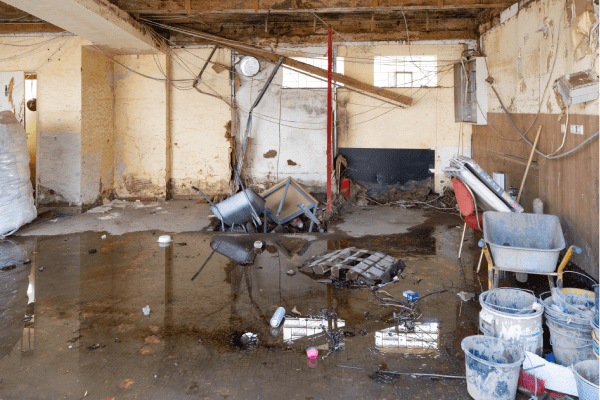
A rainy day here and there usually isn’t a major concern for your home. The bigger problems can begin when rainstorms keep coming before the ground and your home have had a chance to dry out.
Frequent rainfall can saturate the soil around your foundation, overwhelm drainage systems, expose weaknesses in your roof or exterior, and keep basements and crawl spaces damp for extended periods. Even if you haven’t experienced a major flood, repeated exposure to water can gradually lead to damage inside and around your home.
At Jigsaw PMR, we help homeowners respond to water damage and the problems that can develop after repeated rainstorms, including flooding, moisture damage, mold, and other property damage.
If you are dealing with water or other damage from frequent rainstorms, call us today at (201) 425-4855.
Saturated Soil Can Put Pressure on Your Foundation
When rain falls faster than the surrounding ground can drain and dry, the soil around your home can become saturated with water. This creates hydrostatic pressure against foundation and basement walls.
Water naturally looks for a way to escape that pressure. Small foundation cracks, gaps around utility penetrations, basement windows, and other vulnerable areas can provide a path into the home.
You may begin noticing damp basement walls, small puddles, water stains, peeling paint, musty odors, or visible water entering through cracks. A basement that stayed dry during one storm may also begin leaking after several days or weeks of repeated rainfall as the surrounding soil becomes increasingly saturated.
If water has entered your basement or another part of your home, our water damage restoration team can remove the water, dry affected areas, and address moisture that may otherwise remain trapped inside the structure.
Heavy Rain Can Lead to Basement Flooding
Basements are particularly vulnerable during periods of frequent or heavy rainfall. Saturated soil is one potential source of water, but drainage systems can also become overwhelmed.
Water may enter through foundation cracks, basement windows, doors, drains, or other openings. A sump pump failure or drainage problem can make the situation even worse.
Even a relatively small amount of standing water should be addressed quickly. Water can soak into drywall, insulation, carpeting, flooring, wood, furniture, and other porous materials.
Our water damage restoration services are designed to address both the water you can see and moisture that may have spread into surrounding materials. We can remove standing water, dry and dehumidify affected areas, remove materials that cannot be saved, and help prepare the property for repairs.
Roof and Gutter Problems Can Allow Water Inside
Frequent rainfall can also expose problems higher up on your home.
Damaged shingles, deteriorated flashing, roof penetrations, clogged gutters, and overflowing downspouts can all allow water to reach places it shouldn’t. You might notice stains developing on ceilings or walls, damp insulation in the attic, bubbling paint, or water dripping into rooms during a storm.
Repeated leaks can be particularly damaging because materials may never have enough time to fully dry between storms. What initially looks like a minor ceiling stain could be a sign that water has reached insulation, drywall, wood framing, or other materials.
When rain causes interior water damage, we can help dry and restore the affected areas and determine the extent of the moisture damage.
Frequent Rain Can Create the Conditions for Mold Growth
One of the biggest concerns following repeated water intrusion is mold.
A basement, crawl space, attic, or room does not necessarily have to completely flood for moisture to become a problem. Persistent leaks and elevated humidity can keep building materials damp enough for mold to develop.
Mold can grow on drywall, wood, insulation, carpeting, and other materials. It can also develop in concealed areas, which means the visible mold may not represent the full extent of the problem.
Our mold remediation services are designed to address mold growth safely and thoroughly. We can identify affected materials, contain the work area, remove contaminated materials when necessary, clean affected surfaces, and address the moisture associated with the problem.
Simply cleaning visible mold without addressing the underlying moisture problem can allow it to return.
Soil Erosion Can Affect the Area Around Your Home
Large amounts of runoff can gradually wash soil away from your property. This is particularly important around foundations, walkways, patios, retaining areas, and other structures that rely on the surrounding ground for support.
Erosion can also change how water moves around your property. If soil is washed away or grading changes, more water may begin flowing toward your foundation rather than away from it.
You may notice washed-out areas, exposed sections of the foundation, pooling water, or changes in the soil surrounding your home after repeated storms.
While Jigsaw PMR does not provide landscaping or foundation engineering services, we can help when resulting water intrusion causes damage inside your property.
Moisture Can Damage More Than the Area That Flooded
Water has a way of traveling.
A puddle on a basement floor may soak into the bottom of drywall. A roof leak can travel along framing before appearing on a ceiling. Water entering one room can move underneath flooring into another.
That is why addressing water damage isn’t just about removing visible standing water.
We use professional drying and moisture-control methods to help identify and address moisture in affected areas. Depending on the extent of the damage, restoration may involve water extraction, drying, dehumidification, removal of damaged materials, cleaning, and reconstruction.
Our goal is to help prevent a relatively manageable water problem from developing into more extensive damage.
What Should You Do If You Notice Water After Heavy Rain?
If you discover water entering your home, avoid assuming that it will simply dry on its own. The sooner the affected areas are evaluated and dried, the better the opportunity to limit additional damage.
Take note of where you see the water, but avoid entering areas where there could be electrical hazards, contaminated floodwater, structural damage, or other unsafe conditions.
You should also watch for signs of moisture after the visible water is gone. Musty odors, discoloration, warped flooring, bubbling paint, damp drywall, and visible mold can all indicate that moisture remains somewhere in the structure.
If you’re unsure how far the water has spread, we can inspect the affected areas and determine what restoration work may be necessary.
Jigsaw PMR Is Here When Rain Damages Your Property
At Jigsaw PMR, we provide professional property damage restoration services throughout New Jersey, Pennsylvania, and Rockland County, New York. Our team handles water damage restoration, flood damage, mold remediation, storm damage, structural drying, cleanup, and reconstruction to help property owners recover after unexpected damage.
We offer 24/7 emergency response. We can help assess the damage, remove water, dry the affected areas, address damaged materials, and guide the property through the restoration process.
Instead of coordinating multiple companies for different stages of the cleanup and restoration, you can work with our team to get your property back on track.
If frequent rainfall has caused water damage, flooding, mold, or other damage to your home or business, call Jigsaw PMR today at (201) 425-4855 for professional help.