
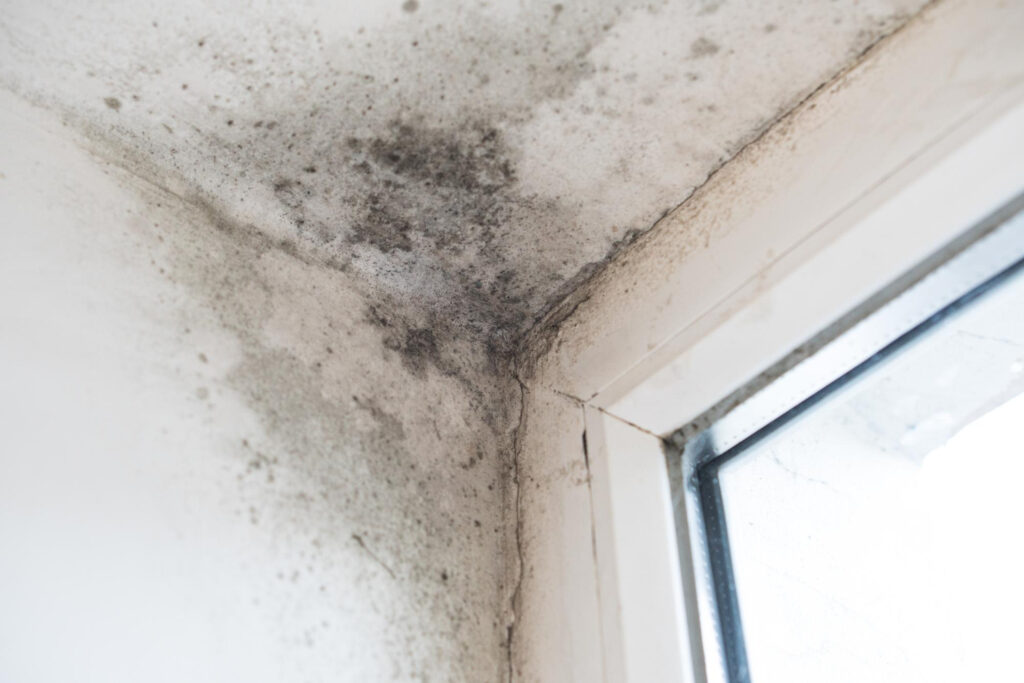
Finding mold in your home can be alarming, especially when you don’t know how far it has spread or what caused it in the first place. Mold growth usually means there is, or recently was, a moisture problem somewhere in the property.
If you discover mold, we recommend avoiding disturbing the affected area and identifying the moisture source as soon as possible. Mold remediation involves more than removing what you can see. The moisture source needs to be addressed, affected materials need to be evaluated, and precautions may be necessary to keep mold spores from spreading into other areas of the home.
At Jigsaw PMR, we provide professional mold remediation and property restoration services throughout New Jersey, Pennsylvania, and Rockland County, New York.
If you have found mold in your home and need professional help, call Jigsaw PMR today at (201) 425-4855.
Don’t Disturb the Mold
Your first instinct might be to wipe the mold away, spray it with a household cleaner, or start pulling out affected materials. We recommend leaving the affected area alone until you know what you’re dealing with.
Disturbing mold-covered drywall, insulation, carpeting, or other materials can release spores and particles into the surrounding air. Removing materials without proper containment can also spread contamination beyond the original area.
Instead, limit activity around the affected area and avoid moving mold-damaged belongings into clean areas of the house.
Look for Signs of a Moisture Problem
Mold needs moisture to grow, so discovering mold often points to another problem that needs attention.
Common sources of moisture include:
- Roof leaks
- Plumbing leaks
- Basement water intrusion
- Flooding
- Foundation leaks
- High indoor humidity
- Condensation
- Leaking appliances
- Poorly ventilated damp areas
- Previous water damage that was never completely dried
Sometimes the source is obvious. You might find mold directly below a leaking pipe or near an area where your basement recently flooded. Other times, the cause may be hidden behind a wall, underneath flooring, or above a ceiling.
Addressing the source of the moisture is an important part of preventing the same problem from happening again.
Don’t Assume the Mold You See Is All of It
Visible mold can sometimes be only part of the problem.
Mold appearing on the surface of drywall may also be affecting the back of the drywall or materials inside the wall. Mold around the edge of carpeting could indicate moisture underneath it. A musty smell in a basement or room may also indicate moisture or mold in an area you cannot easily see.
This is particularly important after water damage. Water can travel underneath flooring, behind walls, into insulation, and through other building materials before the moisture becomes noticeable.
Our team can evaluate the affected area and determine what materials may need to be addressed as part of the remediation process.
What If I Smell Mold But Can’t See It?
A persistent musty or earthy odor can be a sign of a moisture problem even when you cannot find visible mold.
Hidden moisture can develop behind walls, underneath floors, inside cabinets, above ceilings, or in other enclosed spaces. If your home recently experienced a leak, flood, or other water damage, the odor may be coming from an area that did not dry completely.
Instead of opening walls or pulling up flooring yourself, consider having the area professionally evaluated. Unnecessarily disturbing building materials can make a mold problem more difficult to contain.
What If the Mold Appeared After a Flood or Water Leak?
Mold following water damage should be addressed quickly.
Drywall, insulation, carpeting, wood, and other materials can absorb moisture. Even after the visible water disappears, moisture can remain trapped inside these materials and surrounding structural components.
This is why professional water damage restoration includes drying and moisture control rather than simply removing standing water.
Jigsaw PMR provides both water damage restoration and mold remediation services. If mold developed because of a leak, flood, storm, or other water damage, we can evaluate the moisture damage along with the mold problem.
Should I Have Mold Professionally Removed?
There are situations where professional mold remediation is especially important, including widespread mold growth, mold affecting porous building materials, recurring mold, hidden mold, or mold associated with significant water damage.
Professional remediation also provides a controlled process for dealing with affected materials.
Depending on the situation, our mold remediation process can include evaluating the affected area, establishing containment, removing contaminated materials when necessary, cleaning and treating appropriate surfaces, controlling moisture, and taking steps to prevent contamination from spreading throughout the property.
The exact process depends on where the mold is located, what materials have been affected, and the extent of the damage.
Why Does Mold Keep Coming Back?
When mold returns after being removed, there is often still a moisture problem.
Cleaning the visible surface does not repair a leaking pipe, stop basement seepage, lower persistent moisture levels, or dry materials that remain wet behind a wall.
Recurring mold can be a sign that the underlying source was never fully addressed.
That is why we look at mold remediation as part of a larger moisture-control and property restoration process. Finding out why the mold developed is an important part of helping prevent another problem after remediation is complete.
What Happens During Professional Mold Remediation?
Every property is different, but mold remediation generally begins by evaluating the affected areas and determining the extent of the problem.
Containment may then be established to help isolate the work area from unaffected portions of the property. Materials that cannot be appropriately restored may need to be removed, while other affected surfaces can be cleaned and treated as appropriate.
Moisture also needs to be addressed. Depending on what caused the mold, this may involve drying areas affected by previous water damage or identifying an ongoing water source that needs to be repaired.
If removing mold-damaged materials leaves walls, flooring, ceilings, or other parts of the property in need of repair, restoration and reconstruction may also be necessary.
Jigsaw PMR Can Help With Mold in Your Home
At Jigsaw PMR, we provide professional mold remediation along with water damage restoration and reconstruction services. That allows our team to address the mold, the moisture damage associated with it, and the restoration work that may be necessary afterward.
We serve homeowners and businesses throughout New Jersey, Pennsylvania, and Rockland County, New York, and we’re available 24/7 when property damage requires immediate attention.
If you’ve found mold in your house, don’t start tearing into walls or disturbing affected materials on your own. Call Jigsaw PMR at (201) 425-4855 to have our team evaluate the problem and help you determine the next steps.


