
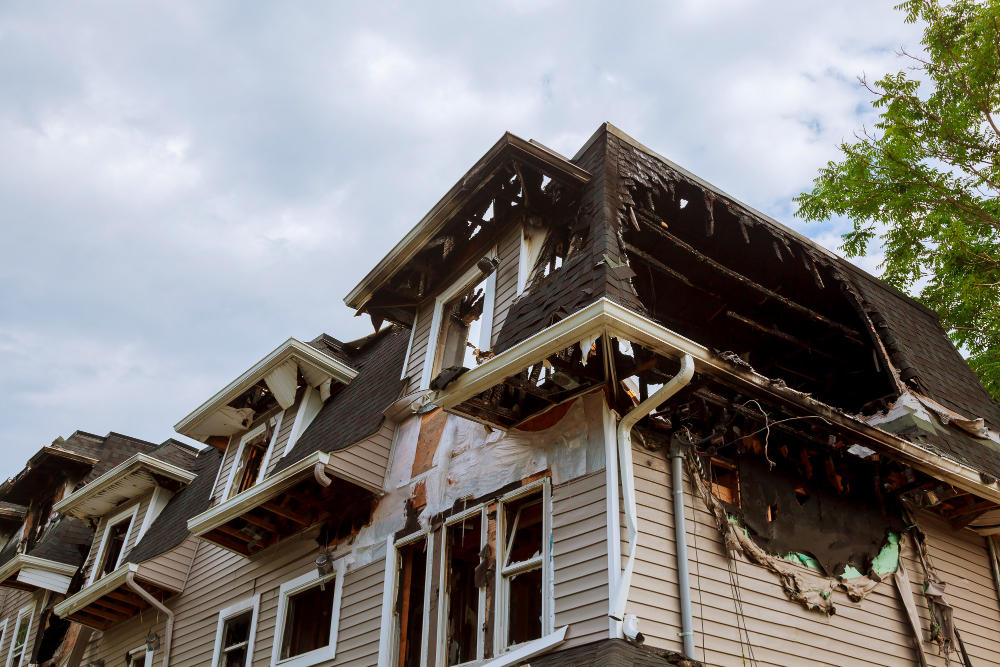
A house fire can leave you with a long list of questions at a time when it is difficult to know what needs to happen first. Even after the flames are out, the property may still have smoke damage, soot, water from firefighting efforts, damaged building materials, and areas that are no longer safe to enter.
The first priority is always making sure everyone is safe. After that, the focus shifts to securing the property, documenting the damage, preventing additional damage, and beginning the cleanup and restoration process.
Jigsaw PMR provides 24/7 emergency fire damage restoration throughout New Jersey, Pennsylvania, and Rockland County, New York. If you need immediate help after a fire, call (201) 425-4855.
1. Make Sure Everyone Is Safe Before Reentering
Do not go back into the home until the fire department or other appropriate authorities have cleared the property for entry. A fire can weaken floors, ceilings, stairs, walls, and other structural components even when the damage is not immediately obvious.
Electrical systems, gas lines, plumbing, broken glass, exposed nails, contaminated water, and unstable debris can create additional hazards.
If you are allowed to enter, avoid disturbing damaged areas unnecessarily. Walking through soot or moving items around can spread contamination into areas that were less affected by the fire.
2. Contact Your Insurance Company
Notify your insurance company about the fire as soon as possible. They can explain the claims process, your coverage, and what documentation they will need.
Before cleanup begins, take photos and videos of the affected rooms and belongings when it is safe to do so. Keep records of conversations with your insurance company and receipts for expenses related to the loss.
Unless you have been instructed otherwise for safety reasons, avoid immediately throwing damaged belongings away. Your adjuster or restoration company may need to document them first.
3. Secure Openings in the Property
Firefighters sometimes need to break windows, open walls, cut through roofing, or force doors to gain access during an emergency. The fire itself can also leave windows, doors, roofs, and exterior walls exposed.
Those openings can allow rain, animals, or unauthorized people into the building and create the potential for additional damage.
Emergency board-up and tarping can temporarily secure these areas while the insurance claim is being handled and permanent repairs are planned. This is often one of the first restoration services needed after a significant house fire.
4. Do Not Try to Clean Smoke and Soot With Household Cleaners
One of the biggest mistakes homeowners can make after a fire is immediately wiping down walls, ceilings, furniture, and other surfaces.
Smoke and soot are not ordinary household dirt. Depending on what burned, the residue can contain oils, acids, fine particles, and other contaminants. Using the wrong cleaner or technique can smear soot, push it deeper into porous materials, or permanently stain a surface that might otherwise have been restorable.
Professional smoke and soot cleanup starts by determining what materials were affected and what type of residue is present. Different surfaces and contents may require different cleaning methods.
5. Understand That Smoke Can Travel Far Beyond the Burned Room
Fire damage is not always limited to the room where the fire started.
Smoke moves through doorways, hallways, wall cavities, HVAC systems, and other openings. Fine soot particles can settle on walls, ceilings, floors, furniture, fixtures, and belongings throughout the property.
That is why a proper fire damage inspection looks beyond visible charring. Rooms that appear relatively untouched may still have smoke residue or persistent odors that need to be addressed.
Cleaning the visible burn area without dealing with smoke and soot throughout the affected portions of the home can leave behind staining and odors.
6. Water Damage May Be Part of the Fire Damage
A fire can also leave behind substantial amounts of water. Fire hoses, sprinkler systems, damaged plumbing, and openings in the roof or exterior can introduce water into the property.
Wet drywall, insulation, carpeting, subfloors, and other building materials may need immediate attention. Leaving these materials wet can create additional deterioration and potentially lead to microbial growth.
The restoration process may therefore include water extraction, removal of damaged materials, drying, and dehumidification in addition to fire and smoke cleanup.
7. Some Belongings May Need to Be Packed Out During Restoration
If significant repairs are required, belongings sometimes need to be removed from affected rooms so restoration work can be completed safely.
For example, if a fire and the resulting water damage have affected a floor, furniture and other contents may need to be carefully packed, inventoried, and stored while the flooring and surrounding materials are repaired.
This type of pack-out service is part of the restoration process, rather than a household moving service. The goal is to protect salvageable belongings, clear the work area, and keep contents organized until they can be returned to the property.
Depending on the loss, contents may also require specialized cleaning before they are stored or returned.
8. Smoke Odor Needs to Be Addressed at the Source
Air fresheners and household sprays may temporarily cover a smoke smell, but they do not remove the source of the odor.
Smoke particles can become embedded in drywall, wood, flooring, insulation, upholstery, and other porous materials. Effective odor removal starts with removing damaged materials where necessary and thoroughly cleaning smoke and soot residue.
Additional deodorization treatments can then be used based on the materials involved and the extent of the fire.
If the source remains untreated, the smoke odor can continue to return.
9. Do Not Assume Everything Has to Be Thrown Away
Seeing a room covered in soot can make it look like everything inside is ruined. That is not always the case.
Part of professional fire damage restoration is determining what can be cleaned and restored and what genuinely needs to be replaced. Certain furniture, hard surfaces, personal belongings, and building materials may be salvageable depending on the heat exposure, smoke contamination, water damage, and material involved.
Making those decisions before throwing everything away can also be important for documenting an insurance claim.
10. Begin Fire Damage Restoration as Soon as the Property Is Safe
Fire restoration involves much more than repairing the visibly burned portion of a house. The property may require emergency board-up, water removal, drying, debris removal, smoke and soot cleanup, contents handling, deodorization, and repairs.
Addressing these problems quickly can help prevent secondary damage and make it easier to determine what can be restored.
Need Help After a House Fire?
Jigsaw PMR provides 24/7 emergency fire damage restoration for homes and businesses throughout New Jersey, Pennsylvania, and Rockland County, New York.
Our services include fire damage cleanup, smoke and soot removal, emergency board-up and tarping, water damage cleanup, odor treatment, contents cleaning and pack-outs, and property restoration.
If your property has been damaged by a fire, call (201) 425-4855 for 24/7 emergency assistance.


