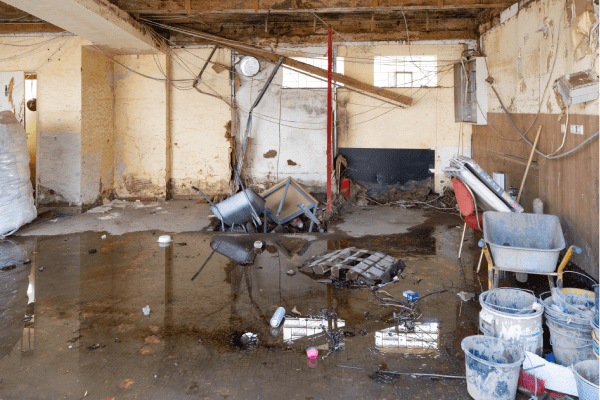
Severe weather can damage a property in several ways. High winds may remove shingles, falling trees can damage the roof and heavy rain can enter through openings created during the storm. The same weather system may also overwhelm drainage systems and cause water to rise around the property.
Homeowners insurance frequently covers certain types of sudden storm damage, but it does not cover every loss connected to a storm. Coverage generally depends on what caused the damage, how the water entered the property and what is included or excluded under the policy.
If your property has been damaged by severe weather, call Jigsaw PMR at (201) 425-4855. Our team provides 24/7 storm damage restoration throughout New Jersey, Pennsylvania and Rockland County, New York.
What Types of Storm Damage Are Usually Covered?
Homeowners policies commonly provide coverage for sudden damage caused by wind, hail, lightning and falling objects. However, policy limits, deductibles and exclusions differ between insurers.
Potentially covered storm damage may include:
- Roofing damaged by wind
- Siding pulled away from the building
- Windows broken by flying debris
- Damage caused by a fallen tree
- Rain entering through a storm-created opening
- Fire caused by lightning
- Interior water damage related to covered roof damage
- Damage to detached structures
- Certain damaged belongings
- Temporary repairs needed to prevent additional damage
The insurance company will investigate the cause of the loss before making a coverage decision. Damage occurring during a storm is not necessarily covered simply because bad weather was present.
Is Wind Damage Covered by Homeowners Insurance?
Wind damage is commonly included in homeowners insurance, although some policies have separate wind deductibles or limitations.
Strong winds can affect:
- Roof shingles
- Flashing
- Gutters
- Siding
- Windows
- Doors
- Fences
- Garages
- Sheds
- Trees and landscaping
A small roof opening can allow significant amounts of rainwater to enter the attic, insulation, ceilings and walls. This makes it important to address the opening quickly and begin documenting the resulting interior damage.
Some coastal or high-risk properties may have different wind or hurricane coverage. Review the declarations page and exclusions in your policy to understand how wind damage is handled.
Does Insurance Cover Rainwater Damage?
Rainwater damage may be covered when rain enters through an opening suddenly created by a covered event.
For example, wind may remove part of the roof and allow rain to enter the property. In that situation, the resulting damage to ceilings, walls, flooring and belongings may be considered part of the covered storm loss.
Coverage may be less likely when water enters because of:
- Long-term roof deterioration
- Missing maintenance
- Previously damaged siding
- Unsealed windows
- Ongoing plumbing or drainage problems
- Groundwater seepage
- Water entering through the foundation
- Repeated leaks that were not repaired
The difference between sudden damage and long-term deterioration can be important. Photographs, inspection reports and restoration records can help document the condition of the property after the storm.
Is Flooding Covered by Homeowners Insurance?
Standard homeowners insurance generally does not cover flooding caused by rising surface water. Flood insurance is normally purchased separately through the National Flood Insurance Program or a private flood-insurance provider.
This distinction can be confusing because a storm may produce several types of water damage at the same time.
For example:
- Rain entering through a roof opening created by wind may be covered under homeowners insurance.
- Water rising from a flooded street and entering the basement is generally considered flooding.
- Groundwater seeping through a foundation is often excluded.
- A sump pump backup may require separate water-backup coverage.
- A sewer backup may also require an endorsement or additional coverage.
The cause and path of the water matter. Your insurance carrier will determine how the policy applies to the specific loss.
What If a Tree Falls on the House?
Homeowners insurance commonly covers damage when a tree falls on an insured structure because of wind, lightning or another covered event.
Coverage may include:
- Removing the portion of the tree resting on the structure
- Emergency roof protection
- Repairs to the roof and exterior
- Interior water-damage restoration
- Repairs to damaged rooms
- Certain damaged belongings
Tree removal may be treated differently when the tree falls into the yard without damaging an insured structure. Coverage can also become more complicated when the tree originated on a neighboring property.
Take photographs of the tree, the point of impact and the surrounding damage before cleanup begins, provided the area is safe to approach.
Do not enter a building that appears unstable or has a tree resting on the roof. Contact emergency professionals and wait until the property has been evaluated.
Does Insurance Cover a Flooded Basement After a Storm?
Coverage for a flooded basement depends on why the water entered.
A basement may flood because of:
- Surface water entering through doors or windows
- Groundwater pushing through the foundation
- An overwhelmed sump pump
- A sewer or drain backup
- Roof damage directing water into the building
- A broken interior pipe
- A failed appliance or plumbing fixture
These causes may be treated differently under an insurance policy. Rising surface water is generally associated with flood insurance, while a sump-pump or sewer backup may require a separate endorsement. Sudden water damage from an internal plumbing failure may fall under the homeowners policy.
You should not assume that all basement flooding is covered or excluded. Report the loss and provide accurate information about where the water originated.
Regardless of coverage, standing water should be addressed quickly. Water can spread into drywall, insulation, flooring and structural materials while creating conditions that allow mold to grow.
Is Storm Damage Caused by Poor Maintenance Covered?
Homeowners insurance is intended primarily for sudden and accidental losses. It usually does not pay to repair deterioration caused by age, wear or a lack of maintenance.
Examples may include:
- A roof that has been leaking for months
- Rot around an old window
- Repeated foundation seepage
- Damaged gutters that were never repaired
- Existing mold growth
- Deteriorated siding
- Previous storm damage left unaddressed
However, an older component can still be affected by a new storm. The insurance company may need to determine which damage existed before the storm and which damage resulted from the recent event.
Maintenance records, photographs and prior inspection reports can help establish the property’s condition before the loss.
What Should You Do Immediately After Storm Damage?
Your safety should come first. Stay away from fallen power lines, standing water near electrical components, unstable ceilings and areas with visible structural damage.
Once it is safe, take the following steps:
Contact Emergency Services When Necessary
Call the fire department, utility company or other emergency services if the property has electrical hazards, gas odors, fire damage, unstable structures or dangerous flooding.
Prevent Additional Damage
Insurance policies generally require property owners to take reasonable steps to keep damage from getting worse.
This may include:
- Covering a damaged roof
- Boarding broken windows
- Shutting off the water
- Moving belongings away from active leaks
- Extracting standing water
- Securing exposed areas
Do not place yourself at risk to complete temporary repairs. Jigsaw PMR provides emergency board-up services when a storm leaves the property exposed.
Document the Property
Take photographs and videos of:
- Exterior damage
- Roof and siding damage
- Broken windows
- Fallen trees
- Standing water
- Wet walls and ceilings
- Damaged flooring
- Affected belongings
- Temporary repairs
Capture wide photographs showing the complete room along with closer images of individual damage.
Contact the Insurance Carrier
Report the loss as soon as practical. Ask for the claim number, adjuster’s contact information and instructions for emergency work.
You can also ask about:
- The applicable deductible
- Temporary repair requirements
- Additional living expenses
- Emergency restoration authorization
- Coverage for damaged belongings
- Required estimates and documentation
The insurance company makes the final decision about coverage under the policy.
Begin Emergency Restoration
Waiting for every detail of the claim to be resolved before removing standing water or covering a roof can allow the property to sustain additional damage.
Emergency restoration may include:
- Roof tarping and board up
- Water extraction
- Structural drying
- Moisture detection
- Debris removal
- Cleaning and sanitizing
- Contents protection
- Mold prevention
- Reconstruction
Save records and receipts for all emergency services connected to the loss.
How Does Jigsaw PMR Help With the Insurance Claim?
Our main responsibility is to stabilize, clean and restore the property. We can also provide documentation that helps the owner and insurance carrier understand the extent of the loss.
Depending on the project, this documentation may include:
- Photographs of affected areas
- Moisture readings
- Descriptions of damaged materials
- Estimates for restoration work
- Records of emergency services
- Contents inventories
- Progress photographs
- Invoices and completion records
We can communicate with the insurance adjuster and explain the work required to restore the property. We cannot guarantee that a claim will be covered, since that decision belongs to the insurance company and depends on the policy.
What If the Insurance Claim Is Denied?
Ask the carrier to explain the reason for the denial in writing. Review the cited policy language and compare it with the documented cause of the damage.
If you believe information is missing or the cause has been misunderstood, you may be able to provide additional photographs, inspection findings or restoration documentation. Questions about coverage disputes may need to be directed to a licensed public adjuster, insurance professional or attorney.
Do not delay necessary safety measures while disputing the claim. Unresolved moisture, openings and contaminated materials can lead to additional property damage.
How Long Does Storm Damage Restoration Take?
The restoration schedule depends on the type and extent of the damage.
Minor water intrusion may require several days of drying and repairs. Extensive roof damage, flooding, fallen trees or structural problems can take several weeks or longer to restore.
The timeline may be affected by:
- The number of rooms involved
- The amount of water inside the property
- The materials that need to be removed
- Structural and electrical damage
- Permit and inspection requirements
- Insurance approvals
- Availability of replacement materials
- The amount of reconstruction required
After inspecting the property, our team can explain the expected phases of cleanup and restoration.
Call Jigsaw PMR After Storm Damage
A single storm can cause roof damage, flooding, broken windows, fallen trees and interior water damage. Coverage depends on the cause of each type of damage and the language in your insurance policy.
Jigsaw PMR provides emergency stabilization, water extraction, structural drying, cleanup and reconstruction for storm-damaged homes and businesses. We also document the restoration work and coordinate with insurance representatives during the claim.
For 24/7 storm damage assistance, call (201) 425-4855 or contact Jigsaw PMR.
About Jigsaw PMR
Jigsaw Property Maintenance & Restoration is a family-owned property restoration company providing 24/7 emergency service throughout New Jersey, Pennsylvania and Rockland County, New York. Our IICRC-certified team handles storm damage, water and flood damage, fire and smoke damage, mold remediation, emergency board up and additional restoration services for residential and commercial properties.