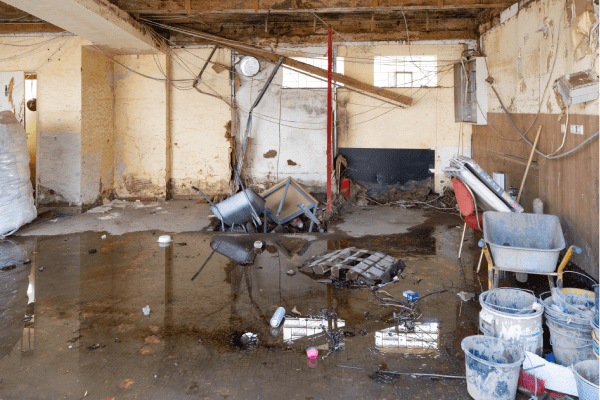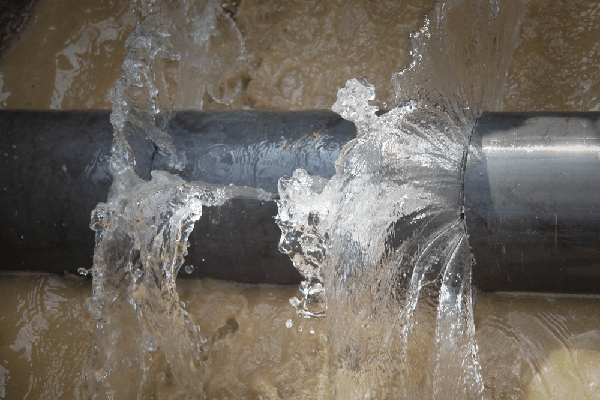
Frozen pipes can interrupt your water supply and place your property at risk of serious water damage. When the water inside a pipe freezes, it expands and creates pressure inside the plumbing system. The pipe may crack or separate at a connection, releasing water once the ice begins to thaw.
A burst pipe can send water through walls, ceilings, floors, cabinets and insulation within minutes. Knowing how to reduce the risk and respond quickly can limit the resulting damage.
If a frozen or burst pipe has caused water damage inside your property, call Jigsaw PMR at (201) 425-4855. Our team provides 24/7 frozen and burst pipe cleanup throughout New Jersey, Pennsylvania and Rockland County, New York.
Which Pipes Are Most Likely to Freeze?
Pipes are most vulnerable when they are exposed to freezing temperatures without enough insulation or warm indoor air around them.
High-risk areas include:
- Unheated basements
- Crawl spaces
- Attics
- Garages
- Exterior walls
- Under kitchen and bathroom cabinets
- Outdoor hose connections
- Swimming pool supply lines
- Fire sprinkler systems
- Vacant or seasonal properties
- Rooms where the heat has been turned down or shut off
A pipe does not need to be outdoors to freeze. Plumbing inside an exterior wall can become cold enough to freeze, especially when the wall has poor insulation or air leaks.
Properties can also experience frozen pipes during a heating-system failure or power outage. Indoor temperatures may fall quickly during extremely cold weather, leaving plumbing systems unexpectedly exposed.
What Are the Signs of a Frozen Pipe?
A frozen pipe may not always be visible. The first warning sign is often a change in water pressure or flow.
Look for:
- Little or no water coming from a faucet
- Unusually low water pressure
- Frost or condensation on an exposed pipe
- A pipe that appears swollen
- Unusual sounds when using a faucet
- A strange odor coming from a drain
- Water stains on a wall or ceiling
- Damp cabinets, flooring or drywall
- The sound of running water when fixtures are off
If several fixtures stop working at the same time, the frozen section may be located closer to the main supply line. If only one faucet is affected, the blockage may be in a nearby branch of the plumbing system.
A pipe can also crack while frozen without immediately releasing a large amount of water. The leak may begin when temperatures rise and the ice inside the pipe melts.
How Can You Help Prevent Frozen Pipes?
Preparation should begin before temperatures fall below freezing. Focus on plumbing located in exterior, unheated or poorly insulated areas.
Insulate Vulnerable Pipes
Pipe insulation can help protect exposed plumbing in basements, garages, crawl spaces and attics. Pay particular attention to pipes near exterior walls and areas where you can feel cold air entering the building.
Insulation reduces heat loss, but it does not generate heat. Pipes may still be vulnerable during prolonged periods of extreme cold, especially in spaces that are not heated.
Disconnect Outdoor Hoses
Disconnect garden hoses before freezing weather arrives. Water remaining inside a connected hose can freeze and place pressure on the faucet and the plumbing behind it.
If your property has a separate shutoff valve for exterior faucets, close the valve and drain the remaining water from the line according to the plumbing system’s requirements.
Seal Cold Air Leaks
Cold outdoor air can reach plumbing through openings around windows, doors, utility penetrations, foundations and exterior walls.
Inspect areas where pipes, cables and vents enter the building. Sealing gaps may help protect the pipes and improve the property’s overall energy efficiency.
Do not block required ventilation or combustion-air openings. If you are unsure about an opening, have it evaluated before sealing it.
Maintain Indoor Heat
Keep the property heated during cold weather, including overnight and while you are away. Rooms containing plumbing should receive enough warm air to keep the pipes above freezing.
If you own a vacant property, use a temperature-monitoring system that can alert you when the building becomes too cold. Someone should also check the property during extended periods of freezing weather.
Open Cabinet Doors When Necessary
Pipes under kitchen and bathroom sinks may receive less warm air when cabinet doors remain closed. Opening the doors can allow heated indoor air to circulate around the plumbing.
Move household chemicals and other hazardous items out of reach of children and pets before leaving cabinets open.
Allow a Small Amount of Water to Flow
During periods of extreme cold, allowing a small amount of water to move through a vulnerable pipe may reduce the likelihood of freezing. The appropriate faucet and flow rate depend on the plumbing layout.
This should be treated as a temporary precaution rather than a substitute for insulation, heating or plumbing repairs.
What Should You Do If a Pipe Freezes?
If you suspect a frozen pipe, act before the blockage turns into a major leak.
Start by checking affected faucets and looking for visible signs of freezing. Do not use an open flame, blowtorch or other high-temperature device on the pipe. Excessive heat can damage plumbing materials, start a fire or cause the water inside the pipe to boil.
A licensed plumber can locate the frozen area, safely restore the flow of water and determine whether the pipe has cracked. You should also know where the main water shutoff valve is located in case the pipe begins leaking.
Watch nearby walls, ceilings and floors while the pipe thaws. Water may begin escaping from a crack that was previously blocked by ice.
What Should You Do If a Pipe Bursts?
A burst pipe requires immediate action. The longer water continues flowing, the farther it can spread through the property.
Shut Off the Water
Turn off the main water supply if it is safe and accessible. This is the most important step for limiting additional water damage.
Property owners should locate and label the main shutoff before an emergency occurs. If you cannot operate the valve, contact a plumber or emergency service provider for assistance.
Avoid Electrical Hazards
Do not enter standing water when outlets, appliances, electrical panels or exposed wiring may be involved.
If the electrical system can be shut off safely without entering a wet area, follow the appropriate emergency procedure. Otherwise, wait for a qualified professional.
Call the Appropriate Professionals
A plumber will generally need to repair or replace the damaged pipe. A restoration company addresses the water that escaped and the damage it caused.
Jigsaw PMR can:
- Extract standing water
- Inspect affected rooms and materials
- Map moisture inside walls, floors and ceilings
- Remove materials that cannot be restored
- Position professional drying equipment
- Monitor the drying process
- Clean and sanitize affected areas
- Address mold growth when necessary
- Complete repairs and reconstruction
Calling both services promptly can reduce the amount of time water remains inside the building.
Document the Damage
Take photographs and videos if it is safe to do so. Document the damaged pipe, standing water, affected rooms and damaged belongings.
Save receipts and records connected to emergency plumbing, water extraction, temporary accommodations and restoration work. Your insurance company may request this information during the claim.
Avoid discarding damaged materials or belongings before they have been documented unless they present an immediate health or safety risk.
Where Does Water From a Burst Pipe Travel?
Water rarely remains in the area directly beneath the leak. It can move through:
- Wall cavities
- Insulation
- Ceiling materials
- Hardwood and laminate flooring
- Carpet and padding
- Cabinets
- Subflooring
- Electrical openings
- Heating and ventilation systems
- Rooms on lower floors
A surface may feel dry while moisture remains underneath it. Professional moisture-detection equipment helps locate affected areas that are not immediately visible.
This is particularly important when a pipe bursts inside a wall or above a finished ceiling. The visible stain may represent only a small portion of the total affected area.
Can a Burst Pipe Cause Mold?
Yes. Water from a burst pipe can create conditions that allow mold to grow, especially when drywall, insulation, wood or carpeting remains wet.
Mold can begin developing within approximately 24 to 48 hours under suitable conditions. Prompt water extraction and structural drying can reduce this risk.
If mold growth is found, the affected area may require professional mold remediation in addition to water-damage restoration. Removing visible water alone does not confirm that the materials underneath are dry.
Does Homeowners Insurance Cover Burst Pipe Damage?
Many homeowners insurance policies cover sudden and accidental water damage caused by a burst pipe. Coverage can depend on why the pipe froze, how the property was maintained and what steps the owner took to prevent damage.
A policy may cover resulting damage to walls, flooring, furniture and other parts of the home while treating the plumbing repair differently. Damage related to long-term leaks, neglect or inadequate heating may be excluded.
Review your policy and contact the insurance carrier for a decision about your specific claim. Jigsaw PMR can document affected materials, moisture conditions and restoration work while coordinating with the adjuster.
How Long Does Burst Pipe Cleanup Take?
The initial water extraction may be completed quickly, but structural drying usually continues for several days. Extensive damage involving multiple rooms, insulation, flooring or wall cavities can require additional time.
The total schedule depends on:
- How long the water was flowing
- The location of the broken pipe
- The amount of water released
- The materials affected
- The number of rooms involved
- How quickly cleanup began
- The repairs and reconstruction required
Moisture levels should be monitored throughout the process. Restoration should not move into final repairs while materials that need to remain are still wet.
Call Jigsaw PMR for Burst Pipe Cleanup
Frozen pipes can become major water-damage emergencies with little warning. Preparation can reduce the risk, but quick action is essential once a pipe begins leaking.
Shut off the water, avoid electrical hazards and contact a plumber for the damaged pipe. Jigsaw PMR can handle water extraction, structural drying, cleanup and restoration throughout the affected property.
For 24/7 help after a frozen or burst pipe, call (201) 425-4855 or contact Jigsaw PMR.
About Jigsaw PMR
Jigsaw Property Maintenance & Restoration is a family-owned property restoration company providing 24/7 emergency service throughout New Jersey, Pennsylvania and Rockland County, New York. Our IICRC-certified team handles frozen and burst pipe cleanup, water and flood damage, mold remediation, fire and smoke damage, storm damage and additional restoration services for residential and commercial properties.