Renting drying equipment may be an option for a limited water incident when the source has been corrected, conditions are suitable, and the affected materials have been properly assessed. More extensive damage, contaminated water, or moisture in concealed spaces generally requires professional restoration.
The decision involves more than choosing a powerful fan or dehumidifier. You need to know what became wet, whether materials can remain, how moisture will be removed, and how the results will be checked.
Equipment rental provides tools. A restoration service provides assessment, a drying plan, equipment operation, monitoring, and any necessary material removal or repairs.
When Might Drying Equipment Rental Make Sense?
Rental may be appropriate when the incident is limited and the affected area can be accessed and monitored effectively.
Examples might include a small, promptly addressed clean-water leak on suitable unfinished surfaces or continued drying under a professional’s direction.
Before choosing rental, establish that:
- The water source has been stopped
- The area is safe to enter and use electrical equipment
- The water conditions do not require contamination cleanup
- The affected materials have been identified
- Concealed moisture has been considered
- You understand the setup and operating requirements
- There is a suitable way to check drying progress
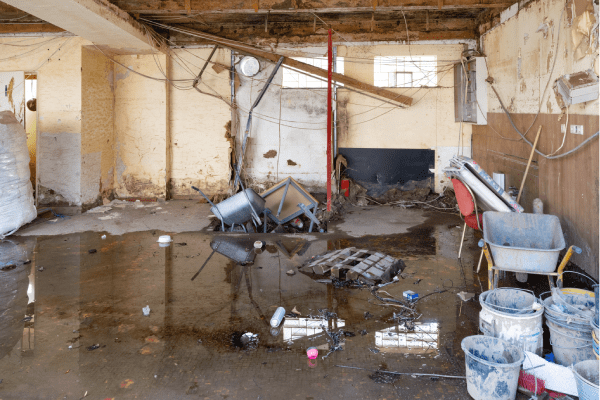
A small visible puddle does not necessarily mean the damage is limited. Water may have traveled beneath flooring or into nearby walls before it was discovered.
Jigsaw PMR offers restoration equipment rental for suitable projects. Discuss the conditions and intended use before deciding what equipment to rent.
When Should You Hire a Restoration Company?
Professional assessment is particularly useful when the extent of damage is uncertain or the work involves more than accessible surface moisture.
Situations that call for professional help include:
- Water beneath flooring or cabinets
- Wet drywall, insulation, or ceiling assemblies
- Water affecting multiple rooms or levels
- Sewage or other contaminated water
- Visible or suspected mold
- Sagging ceilings or unstable materials
- Water near electrical equipment
- Repeated wetting or an unresolved leak
- Materials that may need removal
A restoration company can determine whether drying in place is practical and where access or removal is needed.
Renting equipment before those questions are answered can leave you operating machines without addressing the materials that matter most.
Water Extraction Comes Before Drying
Air movers and dehumidifiers are not substitutes for removing standing water.
Extraction removes water that can be collected directly. Drying addresses moisture that remains in materials afterward.
If water is still pooled on the floor or held in suitable flooring materials, appropriate extraction may be necessary before the drying stage can work effectively.
The extraction method depends on the surfaces, volume, contamination, and safety conditions. Do not operate electrical equipment in standing water or enter an area with unresolved electrical hazards.
What Does an Air Mover Do?
An air mover directs airflow across or around affected materials to support evaporation as part of a drying plan.
It does not collect moisture from the air. Without appropriate humidity control, evaporated water can remain inside the building.
Placement matters. Airflow across the visible face of a wall may do little for wet insulation behind it. Likewise, a fan in the middle of a room does not establish that moisture beneath flooring is being addressed.
Air movement also needs to account for contamination. Directing fans at suspected mold or contaminated materials can spread particles into surrounding areas.
What Does a Dehumidifier Do?
A dehumidifier removes moisture from the air. During structural drying, it helps manage the water vapor released by wet materials.
The equipment needs to suit the space and operating conditions. Capacity, temperature, layout, and the amount of moisture present all affect performance.
A dehumidifier running continuously does not prove that the building materials are drying adequately. Equipment operation and material conditions both need attention.
Follow the provider’s instructions for positioning, drainage, maintenance, and electrical requirements.
Why Equipment Size and Placement Matter
Drying is not simply a matter of placing the largest available machine in a room.
A suitable plan considers:
- The size and layout of affected areas
- The materials and layers that became wet
- Access to concealed spaces
- Temperature and humidity conditions
- Airflow paths
- Equipment capacity and operating limits
- Available electrical circuits
- Drainage arrangements
Improper setup can reduce effectiveness or create practical problems, such as overloaded circuits, water discharge issues, and obstructed access.
Do not use extension cords or power arrangements that conflict with equipment instructions.
Can Rental Equipment Dry Behind Walls?
Sometimes specialized methods can address moisture in particular assemblies, but an ordinary fan and dehumidifier may not reach concealed wet materials effectively.
Insulation, vapor-resistant finishes, layered flooring, and cabinet bases can restrict drying access. Selected materials may need removal so the remaining structure can be assessed and dried.
The decision should follow the construction and conditions. Creating openings yourself without assessment can expose wiring, plumbing, contamination, or other hazards.
If you suspect moisture behind a finished surface, discuss access and monitoring before committing to rental alone.
How Do You Know When Everything Is Dry?
A surface that feels dry is not enough.
Professional drying uses moisture measurements and other observations to assess progress and determine whether retained materials have reached appropriate drying goals.
Measurements need interpretation. Different materials and construction types do not all use the same target or measurement method.
A room’s humidity can improve while moisture remains inside wood, subflooring, or wall assemblies. Likewise, a set number of rental days does not establish that the project is complete.
Before choosing a rental approach, ask how the affected materials will be checked and who will decide when drying is finished.
What Does a Restoration Company Provide Beyond Equipment?
A professional service may include:
- Assessment of the water source and affected areas
- Evaluation of contamination and material condition
- Water extraction
- Decisions about material retention or removal
- A drying plan suited to the building
- Equipment installation and adjustment
- Monitoring and documentation
- Cleaning and necessary repairs
The scope varies by project, so ask what is included rather than assuming every service forms part of the initial estimate.
Jigsaw PMR provides water damage restoration to address the assessment, cleanup, drying, and repair stages of property damage.
Is Renting Always Less Expensive?
The equipment charge may be lower than the cost of a complete restoration service, but those prices cover different things.
Compare the full work required. Rental costs may include delivery, pickup, accessories, and additional days. You may also need extraction, moisture assessment, material removal, cleaning, or repairs.
If the initial approach leaves wet materials behind, further work can increase the total cost.
Ask for a clear explanation of what rental includes and what remains your responsibility. Then compare it with the scope of the proposed restoration service.
Can You Combine Rental With Professional Assessment?
In some situations, yes.
A professional may assess the damage and recommend a limited rental arrangement, continued drying, or another defined scope. Agree on availability and responsibilities before work begins.
Clarify:
- Who selects and installs the equipment
- Who monitors material moisture
- Who maintains drainage and checks operation
- When follow-up visits will occur
- What findings would require additional work
- Who confirms completion
A defined plan is more useful than an informal assumption that the machines can simply run until the room seems dry.
What About Insurance Documentation?
If you plan to make a claim, contact your insurer promptly and ask what records it needs.
Keep photographs, equipment invoices, repair records, and available moisture documentation. Ask about any requirements affecting rental, mitigation services, or additional work.
Coverage depends on the policy and the circumstances of the loss. Do not assume that renting equipment is automatically covered or that choosing professional service guarantees reimbursement.
Necessary measures to limit further damage should be coordinated promptly.
Questions to Ask Before Renting Drying Equipment
Before arranging delivery or pickup, ask:
- Is this equipment appropriate for the materials affected?
- Does standing water need extraction first?
- Has concealed moisture been considered?
- Do contamination conditions make rental unsuitable?
- What are the electrical and drainage requirements?
- How should the equipment be positioned and operated?
- How will drying progress be checked?
- What is included in the rental price?
- What should I do if conditions do not improve?
If those questions cannot be answered confidently, start with an assessment.
Drying Equipment Rental and Water Damage Restoration in New Jersey
Equipment rental can support suitable drying projects, but it does not replace understanding the damage or checking the results.
Jigsaw PMR offers restoration equipment rental and professional water damage restoration services. Our team can discuss your situation and explain which approach fits the conditions found.
Call (201) 425-4855 or contact Jigsaw PMR to discuss equipment rental or arrange a water damage assessment.