
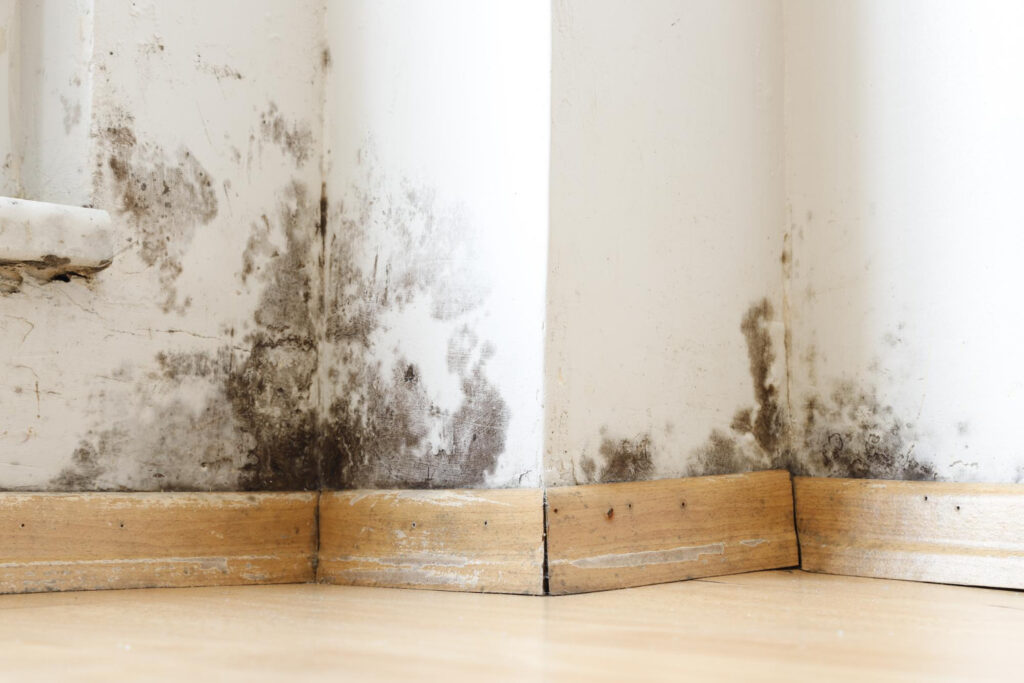
Some businesses can continue operating while mold remediation takes place in a separate, controlled area. Others need to close affected rooms, relocate employees, or temporarily suspend operations.
The decision depends on the extent of the problem, the building’s layout, ventilation systems, access requirements, and the work involved. The type of business and the people using the property also matter.
Keeping the doors open should follow a site-specific assessment. Scheduling work after hours may reduce disruption, but it does not automatically make an affected building suitable for normal occupancy.
What Determines Whether a Business Can Remain Open?
A small, accessible area of damage may present different options from contamination affecting multiple rooms or concealed building spaces.
Before recommending how the property can be used, the project team should consider:
- The location and extent of affected materials
- Whether the work area can be effectively separated
- How employees and customers move through the building
- Whether ventilation systems connect affected and unaffected spaces
- The amount of material removal required
- Access to exits, restrooms, and essential facilities
- The needs of occupants who may be more vulnerable
- Any applicable licensing, workplace, or public health requirements
The assessment may change as concealed areas are opened. An initial plan to keep part of the building occupied may need adjustment if additional damage is discovered.
Can Mold Remediation Be Limited to One Room?
Sometimes. A separate office, storage room, or other enclosed area may be suitable for isolation while work proceeds.
However, the visible room boundaries do not necessarily define the affected area. Moisture may extend into an adjoining wall, ceiling cavity, or space beneath flooring.
A room also may share ventilation or access routes with occupied areas. Those connections need consideration before the room is treated as an independent work zone.
The remediation plan should follow the conditions found, rather than assume that closing a door provides adequate separation.
What Does Containment Do?
Containment separates the work area from surrounding spaces and helps limit the movement of dust and disturbed material during remediation.
Depending on the project, it may involve barriers, controlled entry points, and air filtration or pressure management appropriate to the work.
Containment needs to be planned around the building and maintained throughout the relevant stages of the project. Employees and visitors should not enter the work area or move barriers to create a shortcut.
The presence of containment does not, by itself, establish that every other area can remain occupied. That decision still depends on the overall assessment.
How Can HVAC Systems Affect the Decision?
Heating, cooling, and ventilation systems can connect spaces that otherwise appear separate.
The project team should evaluate whether equipment, ducts, returns, or other openings serve the affected area and whether the system needs isolation or additional assessment.
Do not change HVAC settings, block vents, or shut down building equipment without coordinating with the appropriate professionals. Those changes can affect airflow, pressure relationships, temperature, and moisture conditions elsewhere.
If contamination involves the HVAC system itself, the scope and occupancy plan may become more complicated. Building management and a qualified HVAC professional may need to participate.
When Might Temporary Closure Be Necessary?
Temporary closure or relocation may be appropriate when the work cannot be effectively separated from normal activities.
Examples include situations where:
- Affected areas are widespread
- Remediation involves essential customer or employee spaces
- Safe entry and exit routes cannot be maintained
- Shared ventilation complicates separation
- Demolition or repairs create additional hazards
- Water damage has affected electrical or structural components
- The business cannot operate without entering the restricted area
- A relevant authority requires closure or other restrictions
Closing one room may be enough for some projects. Other properties may require a broader interruption.
The contractor should explain what conditions support the recommendation and what must happen before restricted areas can reopen.
Does the Type of Business Matter?
Yes. Occupancy decisions should account for what happens inside the building and who uses it.
Offices and Professional Workplaces
Some office work may be relocated to unaffected rooms or performed remotely. The plan still needs to consider shared ventilation, restrooms, circulation routes, and access to equipment.
Retail Stores
A store may be able to restrict access to an affected stockroom or section of the sales floor. Merchandise, customer traffic, and the route used to remove materials also need consideration.
A barrier should not create an unsafe exit arrangement or encourage customers to enter the work area.
Restaurants and Food Businesses
Food preparation, storage, and service areas introduce additional requirements. Exposed food, equipment, and food-contact surfaces need appropriate protection.
Business owners should coordinate with the relevant health authority when required. Do not assume that a plan suitable for an office is also suitable for a commercial kitchen.
Childcare, Healthcare and Similar Facilities
Properties serving children, patients, or other potentially vulnerable occupants require particular attention to occupancy and applicable requirements.
Facility management may need input from relevant health, licensing, or infection-control professionals before deciding how operations can continue.
Can Work Be Completed After Hours?
After-hours scheduling can reduce disruption, but the work area may need to remain restricted between shifts.
Barriers, equipment, exposed building materials, and partially completed work may remain in place during business hours. Cleaning up tools at the end of a shift does not necessarily make the area ready for reoccupation.
Before relying on evening or weekend work, ask:
- Which areas remain off limits during the day?
- Will equipment operate while the business is open?
- How will material removal routes be managed?
- What happens if more damage is found?
- Will cleaning or verification occur before areas reopen?
The schedule should reflect the remediation needs rather than force the work into a period that is too short.
Protecting Inventory, Furniture and Equipment
Contents inside or near the work area may need assessment before they are moved.
Some items can be protected in place. Others may need relocation, cleaning, specialty evaluation, or disposal, depending on their condition.
Moving potentially contaminated items into clean rooms without a plan can spread the problem. Likewise, covering affected belongings does not resolve existing contamination.
Identify sensitive inventory, documents, electronics, and essential equipment early. The project team can then explain how those items affect access, scheduling, and the scope of work.
Fix the Moisture Problem Alongside Remediation
Mold remediation needs to address the conditions that allowed growth.
Possible contributors include plumbing leaks, roof leaks, condensation, drainage problems, or unresolved water damage. The appropriate trade may need to repair the source while the remediation team addresses affected materials.
A room should not be considered ready simply because visible mold has been removed. Unresolved dampness can compromise the completed work and lead to further damage.
Ask who is responsible for source repairs and how that work will be coordinated with drying, cleanup, and reconstruction.
What Should Employees Be Told?
Employees need practical instructions about access and changes to their work environment.
Communication should explain:
- Which areas are restricted
- Where temporary workstations are located
- Which routes and facilities remain available
- Whether equipment or noise may affect the workday
- Who to contact with questions or concerns
- How schedule changes will be communicated
Avoid making blanket assurances that the building is risk-free. Explain the controls and decisions in place, and direct individual health concerns to an appropriate healthcare professional.
Employees should not move barriers, handle removed materials, or enter restricted areas to retrieve belongings without coordination.
When Can an Affected Area Reopen?
Reopening should follow the project’s completion criteria and any applicable requirements.
Depending on the scope, that may involve confirming that:
- The moisture source has been addressed
- Necessary material removal and cleaning are complete
- Retained materials meet appropriate drying goals
- The area has been inspected for remaining issues
- Required repairs and building-system checks are complete
- Any specified independent assessment has been performed
Air sampling is not automatically required for every project, and a single test result does not replace evaluation of the completed work.
Ask before remediation begins how completion will be assessed, who will make that assessment, and what documentation will be provided.
Questions to Ask Before Work Begins
A clear occupancy plan can help reduce confusion and avoid unnecessary interruption.
Ask the project team:
- Can any part of the building remain occupied?
- What supports that recommendation?
- How will the work area be separated?
- Does the HVAC system need assessment or isolation?
- Can safe access and exits be maintained?
- What work can happen outside business hours?
- What findings could change the occupancy plan?
- What must happen before restricted areas reopen?
Keep the plan available to managers and others responsible for building access. Update it when the scope changes.
Commercial Mold Remediation in New Jersey
Whether a business can stay open during mold remediation depends on the property and the work required. Effective separation, suitable access, ventilation considerations, and clear completion criteria all help guide that decision.
Jigsaw PMR provides commercial restoration services for businesses affected by mold, water damage, and other property losses. Our team can assess the affected areas and discuss a work plan that accounts for your operations.
Call (201) 425-4855 or contact Jigsaw PMR to arrange an assessment of mold damage at your commercial property.


