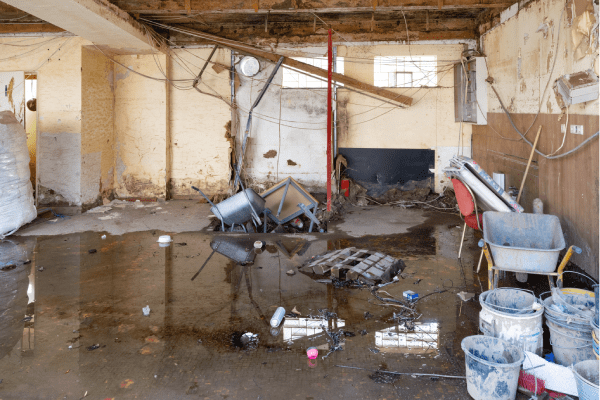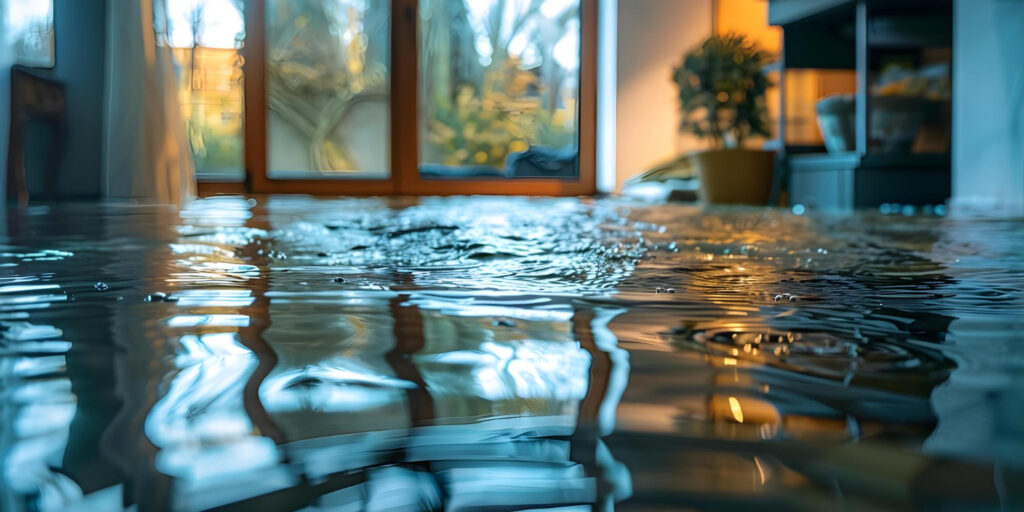
Hardwood floors can sometimes be saved after water damage, but the answer depends on more than how the boards look. The water source, flooring construction, condition of the wood, and moisture beneath the floor all affect whether drying and repairs are practical.
A promptly addressed plumbing leak may leave solid hardwood suitable for restoration. Extensive contamination, severe movement, or separation within engineered flooring may make replacement necessary.
Before deciding to sand or replace the floor, have the affected flooring and the layers underneath assessed. A dry-looking surface can conceal moisture that still needs attention.
What Determines Whether Hardwood Can Be Saved?
A restoration assessment should consider the entire flooring system, including the boards, installation method, underlayment, and subfloor.
Important factors include:
- Where the water came from
- How long the flooring remained wet
- Whether moisture reached beneath the boards
- Whether the floor is solid or engineered hardwood
- Whether boards have lifted, split, or separated
- Whether the subfloor is damaged
- Whether contaminated materials can be accessed and cleaned
No single symptom establishes the right solution. Cupping, for example, may improve as moisture conditions stabilize, while boards that appear relatively flat may still conceal a wet subfloor.
Jigsaw PMR provides water damage restoration to assess affected materials, remove water, and plan structural drying and repairs.
What Does Cupping Mean?
Cupping occurs when the edges of a floorboard sit higher than its center, giving the board a shallow, concave shape.
In solid hardwood, this can happen when the underside holds more moisture than the upper surface. Water beneath the flooring, moisture in the subfloor, or other moisture imbalances can contribute to the change.
Cupping does not automatically mean the floor is beyond repair. Some boards may move closer to their original shape after the moisture source is corrected and the wood reaches stable conditions.
However, the cause needs investigation. Waiting for the surface to flatten without addressing moisture underneath can leave the underlying problem unresolved.
Is Buckling Different From Cupping?
Yes. Buckling occurs when flooring lifts away from the surface beneath it. It can affect individual areas or create larger raised sections.
A buckled floor needs assessment of the boards, fasteners or adhesive, and subfloor. The damage may require removing sections of flooring to reach wet materials and determine what can be retained.
Do not try to force raised boards back down or conceal them beneath furniture. Restrict access where movement creates a trip hazard or makes the flooring unstable.
The appearance of buckling alone does not establish whether an entire room needs replacement, but it is a reason to arrange professional evaluation.
Can Solid Hardwood and Engineered Hardwood Be Restored the Same Way?
They require different considerations.
Solid Hardwood
Solid hardwood consists of wood throughout the thickness of the board. Depending on its condition and remaining thickness, it may offer options for drying, localized repair, and eventual refinishing.
Its ability to be sanded does not guarantee that water damage can be corrected. Contamination, splitting, installation damage, and subfloor conditions still matter.
Engineered Hardwood
Engineered hardwood has a real wood surface over a layered core. Water exposure can affect those layers and the bonds between them.
If layers separate, drying will not simply reattach them. The thickness of the wood surface also limits whether sanding is an option.
An engineered floor that has remained intact may present different restoration options from one with swelling, separation, or damaged joints. The manufacturer’s guidance and the product’s construction should inform the assessment.
Laminate Flooring
Laminate is a different product from hardwood. Its core can swell when water enters joints or exposed edges.
A wood-look surface does not establish which material is installed. Identify the flooring before deciding how it should be dried or repaired.
Why the Water Source Matters
A clean supply-line leak presents different conditions from sewage or water entering from outside the property.
Water can also pick up contaminants as it travels through building materials or remains in contact with affected surfaces.
Where contaminated water has reached beneath flooring, removal may be necessary to access and clean the layers underneath. Drying alone does not remove contamination.
Tell the restoration team whether the incident involved a plumbing leak, appliance failure, stormwater, or a sewage backup. If the source is uncertain, say so rather than assuming the water was clean.
Can Water Remain Under Hardwood After the Surface Dries?
Yes. Water can enter through board joints, around the room’s perimeter, beneath cabinets, or through adjoining materials.
The finish on top of the wood does not make the flooring system waterproof. Moisture may remain between the boards and subfloor after visible water has been removed.
Depending on the installation, affected layers may include:
- Plywood or oriented strand board
- Underlayment
- Adhesive
- A concrete slab
- Additional layers of older flooring
A drying plan needs to account for these materials. Surface appearance and touch cannot confirm that the entire assembly is ready for repairs.
What Happens During Professional Hardwood Floor Drying?
The approach depends on the water conditions, installation, and extent of damage.
Assessment and Moisture Measurements
The team checks affected areas and compares conditions with suitable reference areas where possible.
Measurements help identify how far moisture has spread and guide decisions about drying access, equipment, and material removal.
Water Extraction
Standing water and accessible water are removed before the remaining moisture is addressed.
The team may also need to move belongings or remove wet rugs so the flooring can be evaluated.
Drying or Selective Removal
Some flooring systems may be candidates for drying in place. Others require sections to be opened or removed to reach trapped moisture, damaged materials, or contamination.
Specialized floor-drying equipment may be appropriate in some situations, but it cannot guarantee that every floor can be saved.
Monitoring
Moisture conditions are checked throughout the process. Equipment and methods may need adjustment as the materials respond.
The decision to finish drying should follow the condition of the materials, rather than a fixed number of days.
Should Cupped Hardwood Be Sanded Right Away?
No. Sanding should wait until the moisture source has been corrected and the flooring has reached appropriate, stable conditions.
Sanding a cupped floor too early removes the raised edges while the wood is still changing shape. As the boards dry and flatten, the centers may end up higher than the edges, creating a condition called crowning.
That can turn a moisture problem into additional permanent damage.
Have the floor evaluated before scheduling refinishing. Even after structural drying is complete, a flooring professional may recommend further stabilization before deciding whether sanding is appropriate.
When Does Water-Damaged Hardwood Need Replacement?
Replacement may be necessary when damage or contamination makes retention impractical.
Examples include:
- Separation of engineered flooring layers
- Severe splitting or deterioration
- Damaged connections or installation components
- Contamination beneath the flooring that requires access
- Subfloor damage that cannot be addressed with the floor in place
- Boards that remain unsuitable for repair after drying and evaluation
Some projects require localized replacement. Others involve a larger area because damage extends farther, matching materials are unavailable, or the installation cannot be repaired effectively in sections.
Ask the contractor to explain why the proposed replacement area is necessary.
Can You Replace Just a Few Boards?
Sometimes. A flooring professional can assess whether they can remove and replace affected boards without compromising the surrounding floor.
Matching is another consideration. The same species and board width may not produce an identical appearance because of age, finish, grade, and natural variation.
Depending on the floor, a localized repair may still require refinishing a wider area to achieve a more consistent result.
Replacement material also needs to be suitable for the installation and site conditions. Installing new boards beside materials that remain wet can create further movement.
What Should You Do Before Help Arrives?
Stop the water source if you can do so safely and keep people away from affected electrical equipment or unstable flooring.
Photograph the damage from a safe location. Note when you discovered the water and when the area was last known to be dry.
Avoid:
- Using a steam mop or adding cleaning water
- Applying direct heat with a space heater or heat gun
- Sanding or refinishing wet boards
- Covering damp flooring with rugs or plastic
- Forcing lifted boards back into place
- Removing contaminated flooring without appropriate assessment
If the area is safe and the water is known to be clean, you can promptly blot small surface puddles with absorbent towels. More extensive water requires assessment and extraction appropriate to the conditions.
When Can Flooring Repairs Begin?
Repairs should follow correction of the water source, necessary cleaning, and verification that retained materials are ready.
The subfloor must also be suitable for the proposed flooring and installation method. Manufacturer requirements and the flooring professional’s assessment should guide the work.
Installing new flooring or applying a finish too soon can trap moisture beneath the surface or cause further movement.
Jigsaw PMR’s reconstruction services address flooring and other building materials damaged during a property loss.
Hardwood Floor Water Damage Restoration in New Jersey
Water-damaged hardwood does not always require complete replacement, but saving it takes more than drying the visible surface.
The flooring, installation, water conditions, and subfloor all need consideration before deciding whether to dry, refinish, or remove it.
Jigsaw PMR provides water extraction, moisture assessment, structural drying, and repairs for affected homes and businesses.
Call (201) 425-4855 or contact Jigsaw PMR to arrange an assessment of water damage affecting your hardwood floors.